
How to Safely Import Furniture from China via Online Platforms | Cross-Border Sourcing Guide
2026-01-06
For international buyers, importing furniture from China offers immense business opportunities, but it also comes with inherent risks—such as product quality control issues with new suppliers and financial security concerns during a first-time collaboration.
In the digital age, sourcing furniture through online platforms has become an unstoppable trend. The key question is: How do you balance efficiency with risk management? How can you safely import furniture from China online?
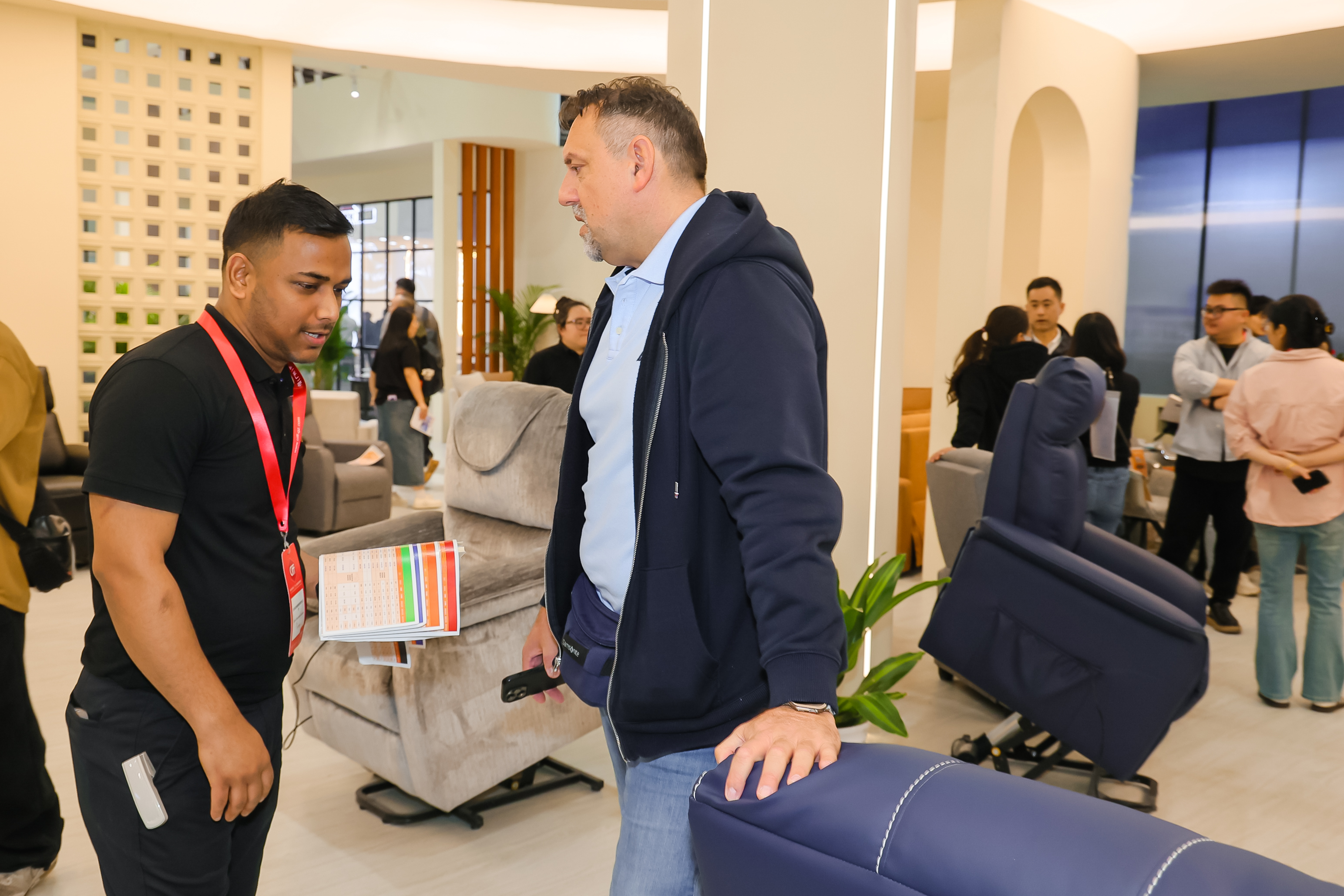
How to Safely Import Furniture from China via Online Platforms | Cross-Border Sourcing Guide
Don't worry. By choosing the right platform and implementing robust risk management, you can ensure trade security. You can achieve "safe, efficient, and low-risk" furniture procurement through the following five core steps:
1. Resist Low-Price Temptation! Conduct Deep Supplier Audits First
When searching for furniture products online, do not base your decision solely on cost. Low-priced products often compromise quality reliability. Furthermore, look beyond polished rendering images and focus on the supplier’s years of operation, legal status, and manufacturing background.
-
Check Official Certifications: We recommend using Click2Connect, the online trade matching platform launched by CIFF (China International Furniture Fair). Sourcing here provides an extra layer of security, as registered enterprises undergo rigorous qualification screening by the organizers regarding their operational history and quality standards.
Join us to connect with brands
Sign up to easily connect with your favorite brands and make the most of your experience.
Register now for free:https://click2connect.ciff-gz.com/register
-
Verify Essential Certificates: Key factors to investigate include ISO9001 (Quality Management) and FSC (Forest Stewardship Council) certifications. Additionally, check for safety certifications specific to your target market, such as BIFMA for the US or EN 12520 for the EU.
| Region / Market | Key Certification & Regulation | Scope & Focus | Regulated Products |
| USA | ANSI / BIFMA | Performance, safety, and durability standards for commercial use. | Office chairs, desks, file cabinets, and panels. |
|
CARB / EPA TSCA Title VI |
Stringent limits on formaldehyde emissions from composite wood. | Plywood, MDF, Particleboard (Panel furniture). | |
|
CAL TB 117-2013 |
Flammability requirements for upholstered furniture (Smolder resistance). | Sofas, ottomans, and upholstered seating. | |
|
ASTM F2057
|
Safety standard for preventing furniture tip-overs. | Clothing storage units (Dressers, chests). | |
| European Union |
REACH Regulation |
Chemical safety (Lead, Mercury, Phthalates, Azo dyes). | All furniture components (Leather, foam, metal). |
|
EN 12520 |
Structural safety, strength, and durability for domestic seating. | Dining chairs, armchairs, and tables. | |
|
EUDR (Deforestation) |
New regulation ensuring timber is not sourced from deforested land. | All solid wood and timber-based furniture. | |
|
CE Marking
|
Mandatory safety mark for specific functional categories. | Motorized/Electric furniture (Desks, recliners). | |
| United Kingdom |
BS 5852 / F&F 1988 |
High-level fire safety standards (Cigarette and Match tests). | Domestic upholstered furniture and mattresses. |
|
UKCA Marking |
The UK equivalent of the CE mark after Brexit. | All furniture categories exported to Great Britain. | |
|
BS 7176
|
Fire safety for non-domestic (Contract) seating. | Hotel, office, and public area furniture. | |
| Middle East |
SASO / SABER |
Certificate of Conformity (CoC) for Saudi Arabian customs. | All imported furniture products. |
|
G-Mark
|
Gulf Conformity Marking for safety and low-voltage electricals. | Lighting and motorized furniture in GCC countries. | |
| Global |
FSC / PEFC |
Forest Stewardship Council: Proof of sustainable timber sourcing. | Solid wood, veneers, and paper packaging. |
|
GREENGUARD |
Certification for low VOC (Chemical) emissions and air quality. | Eco-friendly furniture for homes and schools. |
-
Distinguish Between Factories and Traders: If you require large-scale customization, dealing directly with a furniture factory is more cost-effective and easier for quality control. However, for small-volume orders across diverse categories, an experienced trading company may be a viable option.
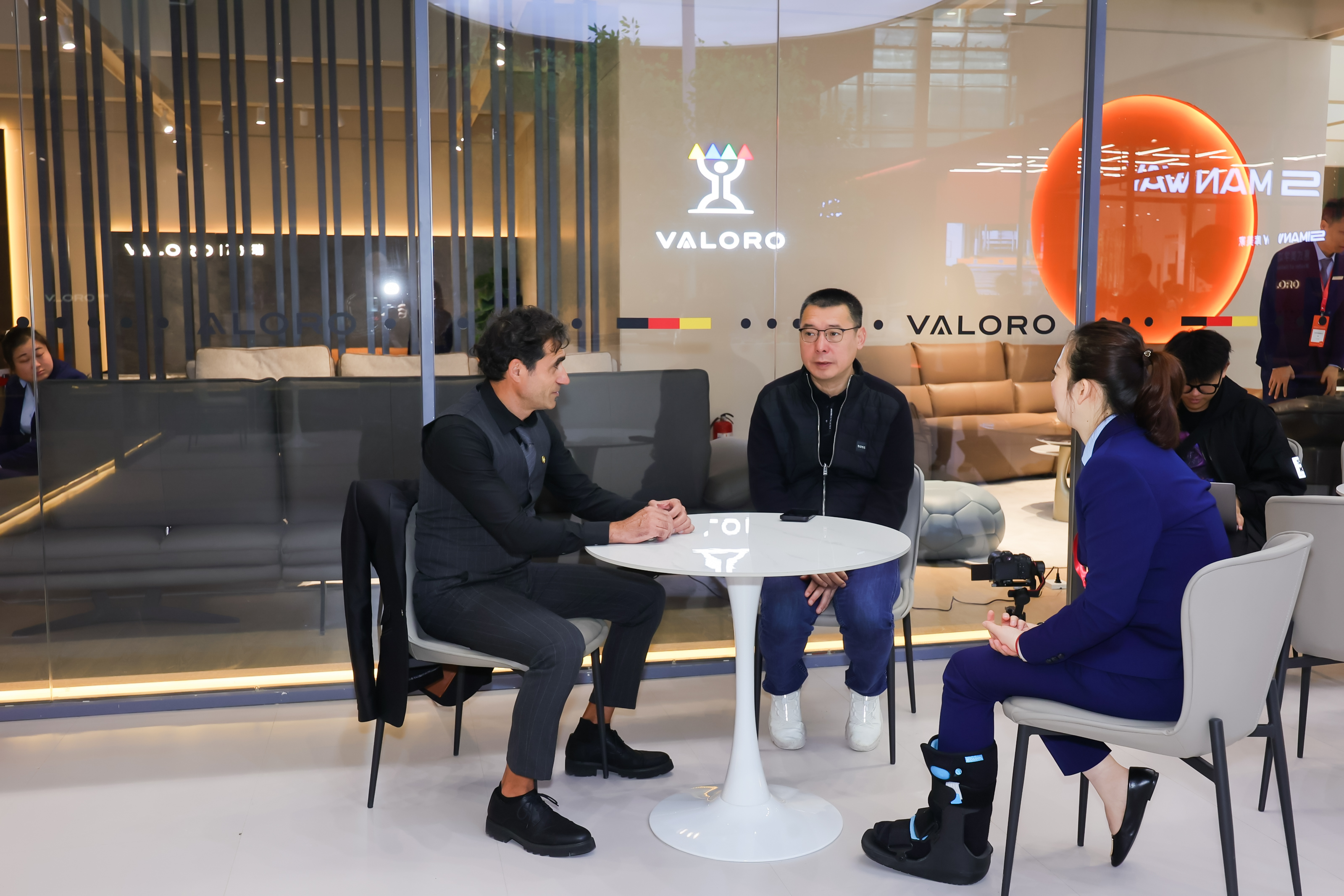
2. Leverage Platform Tools! Conduct "Cloud Factory Audits" via Video Calls
Compared to offline sourcing, the biggest drawback of online procurement is the inability to touch the product or experience its comfort firsthand. However, modern platform technology can bridge this gap through video conferencing and online demonstrations.
After registering on the platform, you can invite suppliers to communicate in depth via Click2Connect’s video meeting feature. Suppliers can showcase production lines, finished goods warehouses, and testing labs in real-time. This allows you to verify the factory's authenticity and gather detailed information through close-up visual inspections. Once initial terms are settled, always request material swatches or a sample unit before placing a bulk order.
3. Contracts and Payments: Establish Financial Protection Mechanisms
The contract and payment method serve as your final line of defense. Please pay attention to the following:
-
Define Detailed Specifications: Clearly state product parameters in the contract, such as materials, density, formaldehyde emission levels, hardware brands, and moisture content requirements. Avoid vague terms like "High Quality," which can lead to contractual ambiguity.
-
Secure Payment Terms: For a first-time collaboration, consider the standard international trade practice of a Deposit + Balance payment (against the Bill of Lading copy). For large-scale orders, a Letter of Credit (L/C) remains the most secure payment method.
-
Agreed Compensation Ratios: Ensure the contract specifies penalties for non-compliance. For example: "If the damage rate exceeds 3%, the supplier must provide replacements in the next shipment or issue a direct refund."

4. Rigorous Quality Control: Mitigate Risks Before Shipment
Furniture is bulky and expensive; once it reaches overseas destinations, the cost of returns or exchanges is prohibitive. Therefore, consider hiring third-party inspection agencies such as SGS or TÜV to conduct random inspections before the goods are containerized.
| Agency Name | Expertise & Strength | Best For | Pros | Cons |
| SGS | The world's largest testing and certification company. | General furniture, material testing, and compliance. | Unmatched global network; extremely high recognition by customs and banks. | Higher service fees; bureaucratic processes can be slow. |
| TÜV (Rheinland/Süd) | German engineering standards; high technical rigor. | Mechanical safety, durability (BIFMA/EN standards), and functional furniture. | Highest technical authority; excellent for high-end or "contract" furniture. | Premium pricing; very strict (may be "too tough" for low-budget items). |
| Intertek (ITS) | Strong focus on retail and consumer goods. | E-commerce (Amazon/Shopify) sellers and home decor. | Faster turnaround times; competitive pricing for retail-ready products. | Network in remote inland factory areas is slightly smaller than SGS. |
| Bureau Veritas (BV) | French heritage; strong in supply chain audits and sustainability. | Large-scale luxury projects and eco-friendly (FSC) furniture. | Strong focus on CSR (Corporate Social Responsibility) and factory audits. | Communication can be complex depending on the regional office. |
| QIMA (formerly AsiaInspection) | Digital-first, agile inspection services. | SME buyers, quick "spot checks" before shipping. | Best-in-class online dashboard; flat-rate pricing; reports delivered within 24h. | Focused more on visual inspection than complex lab testing. |
| V-Trust | Specialized in Asian manufacturing hubs. | Furniture, lighting, and home hardware in China/Vietnam. | Deep local knowledge in furniture clusters (Guangdong/Zhejiang); cost-effective. | Less brand "prestige" in European/American markets compared to SGS. |
Additionally, for long-distance sea freight, require suppliers to use reinforced corrugated boxes, EPE foam corner protectors, or wooden crates. For fragile items like glass or marble-topped furniture, wooden crate packaging is a mandatory requirement to prevent disputes caused by logistics damage.
| Material Type | Recommended Packaging | Technical Reason / Protection Goal |
| Solid Wood / Veneer | EPE foam wrapping + 5-layer double-wall corrugated carton + silica gel desiccant. | Moisture & Scratch Control: Wood is sensitive to humidity changes and surface scratches. |
| Glass / Mirrored Surfaces | Styrofoam (20mm+ thickness) + Hardboard corners + Closed Wooden Crate. | Impact Absorption: Glass is brittle. A rigid wooden crate prevents the carton from flexing, which is the primary cause of glass breakage. |
| Marble / Stone Slabs | PE film + Foam edge protectors + Heavy-duty A-frame Wooden Crate. | Structural Integrity: Stone is heavy but fragile if tilted. A-frame crates ensure the slab stays vertical to avoid cracking under its own weight. |
| Upholstered (Sofa/Bed) | Dust-proof plastic bag + EPE foam sheets + Reinforced woven bag or Thick carton. | Contamination Prevention: Fabric and leather easily absorb odors and stains. |
| Metal Frames (Steel/Alumni) | Bubble wrap + Pearl cotton (EPE) tubing + 5-layer carton. | Abrasion Resistance: Metal parts can pierce through thin boxes. |
| Knock-Down (KD) Items | Internal cardboard dividers + Hardware blister packs + Reinforced tape sealing. | Internal Friction: Prevents loose parts (screws/legs) from moving inside the box and damaging the main panels during rough handling. |