
2026 Furniture Export Survival Guide: How to Pivot Amid Rising Middle East Tensions and Surging Costs?
2026-03-18
The escalating situation in the Middle East continues to impact the global furniture industry. Many players have already received price increase notices from suppliers, with cost pressures looming large.
More concerning for businesses is that if the conflict persists, overseas buyers may adopt a "wait-and-see" approach or delay orders, adding further uncertainty to the furniture market. Tan Boon Hai, President of the Malaysian Furniture Council (MFC), pointed out to Nanyang Siang Pau that the tension in the Red Sea and conflict in coastal areas have disrupted shipping and exports in several countries within the region, simultaneously driving up ocean freight costs.

Iran Conflict: Energy Crisis Drives Furniture Manufacturing Costs Higher
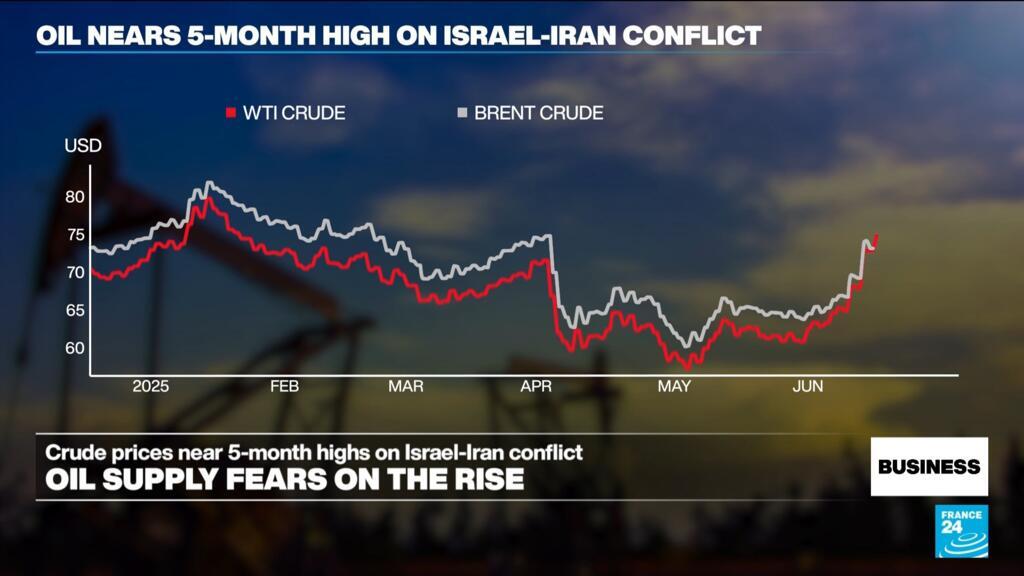
By March 2026, U.S. military actions against Iran have caused structural disruptions to global trade. Current tensions have sent crude oil prices soaring to $100-$120 per barrel.
Following the Red Sea crisis, the 2026 conflict has forced vessels to reroute around the Cape of Good Hope on a large scale. For furniture exporting nations, this adds at least 10–15 days to the voyage, leading to higher logistics costs. Furthermore, war risk premiums have skyrocketed several-fold, resulting in an approximately 40% increase in total Landed Cost, which is likely to make consumers hesitate.
As furniture consists of bulky, low-value goods, the freight cost per unit volume has approached the "profit red line," leaving almost no margin for profit.
Global Furniture Shipping Core Index Overview (March 2026)
(As of the 3rd week of March 2026):
| Core Route (per 40'HC) | March 2026 Spot Rate (Avg) | Month-on-Month (MoM) | War & Tariff Weighted Cost (Estimated) |
| Shanghai → Rotterdam (Europe) | $3,200 - $4,800 | ↑ 12% | Includes "Cape of Good Hope" surcharge |
| Ho Chi Minh City → L.A. (US West) | $2,800 - $3,600 | ↑ 8% | Overlaid with 2026 new trade tariffs |
| Port Klang (MY) → London (UK) | $3,150 - $4,500 | ↑ 15% | Impacted by Suez Canal disruptions |
| Bangkok → Dubai (Middle East) | $2,200 - $3,500 | ↑ 45% | Hardest Hit: Impacted by direct Iran conflict blockades |
2026 Q2 - Q4 Freight Trend Forecast
-
Seasonal Rebound (June Peak): With the arrival of the global furniture procurement peak in June 2026, the current overcapacity will be offset by the reduction in effective capacity due to the war. Freight rates are expected to see a second spike.
-
Green Surcharges: Starting in 2026, the EU began imposing stricter carbon footprint fees on shipping. Each container will incur higher environmental compliance costs.

2026 Global De-dollarization and Its Impact on Orders
Lim Li Lian, former Deputy President of the Malaysian Furniture Council, believes that weak global demand and a weakening U.S. Dollar (USD) are the biggest challenges currently hitting furniture exports.
In 2026, amid trade disputes between the U.S. and the EU, a global trend toward de-dollarization has emerged, forcing the appreciation of exporting countries' local currencies, which in turn hampers exports. Taking the Malaysian furniture industry as an example, Lim Li Lian stated: "An overly strong exchange rate may weaken [Malaysia's] international competitiveness. While demand might not change immediately, corporate income is affected instantly."
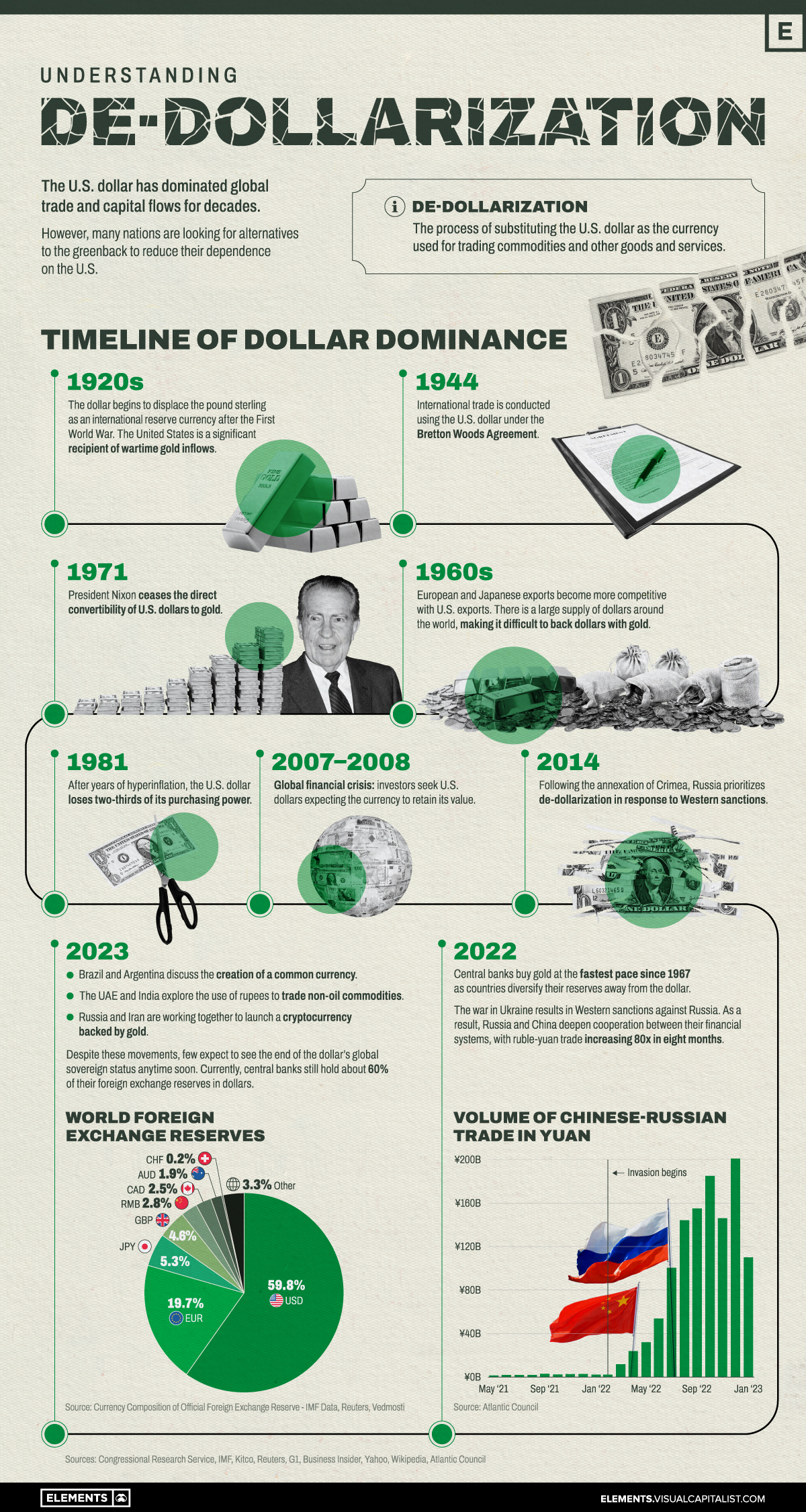
Furthermore, as most furniture export orders are settled in USD, a weakening dollar means less income for enterprises when converted into local currency. If the USD continues to soften, businesses will face further losses due to exchange rate fluctuations.
Note: Under the de-dollarization trend, signing local currency settlement contracts requires simultaneous Foreign Exchange Swaps (FX Swaps) to prevent profit erosion caused by unilateral local currency strengthening.
Major Currency Exchange Rate Volatility Table (March 2026)
Based on the latest market data from the 3rd week of March (March 16–18, 2026)
| Currency Pair | March 18, 2026 Rate (Ref) | March Volatility | Impact on Furniture Exports |
| USD / MYR | 3.92 - 3.96 | ±1.8% | Negative: Stronger Ringgit increases prices for Malaysian furniture in the U.S. market. |
| USD / CNY (CNH) | 6.88 - 6.95 | ±2.1% | Double-edged Sword: Export competitiveness drops slightly, but imported timber costs remain stable due to increased RMB settlement. |
| USD / VND | 26,500 - 26,800 | ±0.8% | Relatively Stable: Vietnamese Dong maintains narrow fluctuations, keeping order appeal consistent. |
| EUR / USD | 1.18 - 1.22 | ±3.5% | Highly Volatile: Euro faces downward pressure due to the Iran conflict and energy prices. |
| USD / JPY | 155 - 159 | ±4.2% | Positive for Japan: Yen's safe-haven status weakened in 2026, maintaining a weak stance. |
| DXY (USD Index) | 100.2 - 100.7 | ↑ 1.4% | Global Safe Haven: Driven by "safe-haven buying" in the early stages of the Iran conflict; index returns above 100. |
"In all my years in this industry, I have never encountered a situation as difficult as this year," said Khoo Yeow Hwa, Managing Director of wood furniture exporter Holzern Furniture.
Ironically, while global safe-haven capital habitually surged into the USD at the start of the conflict—driving the USD exchange rate up and causing exporting currencies to dip—this seemingly beneficial export condition was offset. Because imported timber and chemical coatings are mostly priced in USD, the actual production costs increased instead.
In 2026, trade protectionism regarding furniture imports has risen in both the U.S. and Europe. According to recent industry data, the tariff effects introduced in mid-October 2025 have fully manifested in 2026. Constant tariff fluctuations in the North American market for wood and upholstered furniture continue to impact the cost accounting of furniture export enterprises.

II. How Can the Furniture Industry Pivot?
1. Market Side: Implementing "Non-US/Non-EU" Strategies and Localization
While the U.S. market is nearly irreplaceable, seeking "Non-US/Non-EU" strategies and localization is a vital step toward risk mitigation.
In 2026, the demand potential for furniture in the Middle East, Africa, South America, and India has become prominent. Companies should accelerate their presence in these markets, such as the infrastructure and furniture demand driven by Saudi Arabia's "Vision 2030."
Additionally, relying on Original Equipment Manufacturing (OEM) offers no profit in 2026. Some enterprises should consider using cross-border e-commerce to reach end-consumers directly, building Original Brand Manufacturing (OBM) to secure higher profit margins.

2. Product Side: Seeking Deeper Value
Smart Furniture is the defining trend of 2026, with a projected market growth rate of 10.2%. The pivot point lies in integrating AI interaction and health monitoring into traditional furniture. This allows brands to capture early market share and achieve product differentiation, avoiding cutthroat price competition. Furthermore, with global aging accelerating, senior-friendly, functional, and pet-friendly furniture are the breakout sectors for 2026.
3. Operations Side: Resilient Supply Chains
Manufacturers should consider establishing branch plants or assembly centers in Mexico or neighboring Southeast Asian countries, adopting a "Core Components Produced Locally + Flexible End-Assembly" model to bypass tariffs and shorten delivery cycles. For example, certain Chinese furniture firms have established assembly centers in Monterrey, Mexico, utilizing the USMCA agreement to enter the North American market.
In harsh market conditions, rather than blindly cutting staff and production, businesses should use this window to upgrade equipment and implement production line automation.
About the Author: Paul Sterling, Furniture Export & Supply Chain Expert.
With 14 years of experience in the furniture industry, Paul is an expert in international furniture compliance standards, technical R&D, and global logistics optimization.

More furniture manufacturer lists:
-
How to Wholesale Modern Contemporary Furniture? 7 Ways to Find a Modern Furniture Wholesaler
-
3 Ways to Easily Find Quality Home Decor Wholesale Vendors & Distributors
-
How to Find a Safe and Potential Baby Furniture Supplier? 7 Methods
-
5 steps for restaurant furniture wholesale e-commerce marketing
-
Top 5 Long-Lasting Public Chair Manufacturers with Durable Products in China
-
Top 6 China’s Economical Stainless Steel Furniture Manufacturers and Suppliers at CIFF 2026
-
Top 21 Malaysian Home Furniture Manufacturers: Muar Hub Exporters List
-
How to Identify Furniture Trading Intermediaries? Vet Cross-Border Suppliers from 5 Aspects