Linen-Look vs. 100% Linen Curtain Fabrics: The Comparison & Selection Guide
2026-06-27
Many shoppers struggle to choose between natural texture and long-lasting practicality when picking curtains.
Pure natural fabrics often come with durability limitations due to their inherent physical properties. For instance, 100% linen tends to develop fiber breakage and aging under prolonged sunlight exposure or frequent commercial laundering — an issue that rarely affects linen-look alternatives.
Even so, genuine linen remains highly sought-after for its reputation as a healthy, all-natural material, making it a top pick for curtains and soft furnishing fabrics. For curtain manufacturers and industry practitioners, how do you decide between linen-look and pure linen fabrics? And how can you strike a balance between their respective strengths and weaknesses?
There are stark differences in performance, maintenance and pricing between 100% linen and linen-look fabrics (primarily made of polyester). This article breaks down their key distinctions in detail and shares optimal solutions for balanced selection.
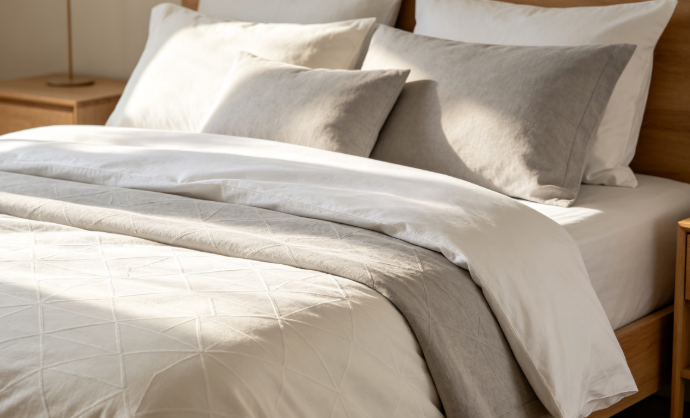
Core Comparison: Pure Linen vs. Linen-Look Fabric
| Characteristic | Pure Linen | Linen-Look Fabric |
|---|---|---|
| Material Composition | Natural linen fibers (derived from herbaceous plants) | 100% polyester |
| Visual & Tactile Texture | Organic, rugged texture with natural slub details | Mimicked linen texture with uniform patterns and a smoother surface |
| Drape | Stiff, prone to irregular creases | Soft, fluid drape with stable form retention |
| Weather Resistance | Fibers become brittle and fade easily under long-term sun exposure | Excellent UV resistance and strong color retention |
| Dimensional Stability | Extensive shrinkage (typically over 5%) | Minimal shrinkage, virtually no deformation after washing |
| Care & Maintenance | Dry clean recommended; highly wrinkle-prone and difficult to iron | Machine washable, wrinkle-resistant and fast-drying |
| Price | Premium pricing due to limited natural resources and high processing costs | Budget-friendly with cost advantages from mass industrial production |
Lab Test Data Comparison
Standard textile tests reveal clear performance gaps in durability between pure linen and polyester, the main component of linen-look fabrics:
| Physical Index | 100% Linen | Linen-Look (100% Polyester) | Industry Standard Reference |
|---|---|---|---|
| Shrinkage Rate | 3% – 8% (most significant after first wash) | < 1% (negligible deformation) | ASTM D2259 |
| UPF Rating | 15 – 20 (basic UV protection) | 30 – 50+ (superior UV protection) | AATCC 183 |
| Tensile Strength | Stronger when wet, yet susceptible to brittling | Exceptionally high strength with stable performance wet or dry | ISO 13934 |
| Color Fastness | Below Grade 4 (natural fibers fade easily) | Above Grade 4.5 (advanced chemical color fixation) | — |
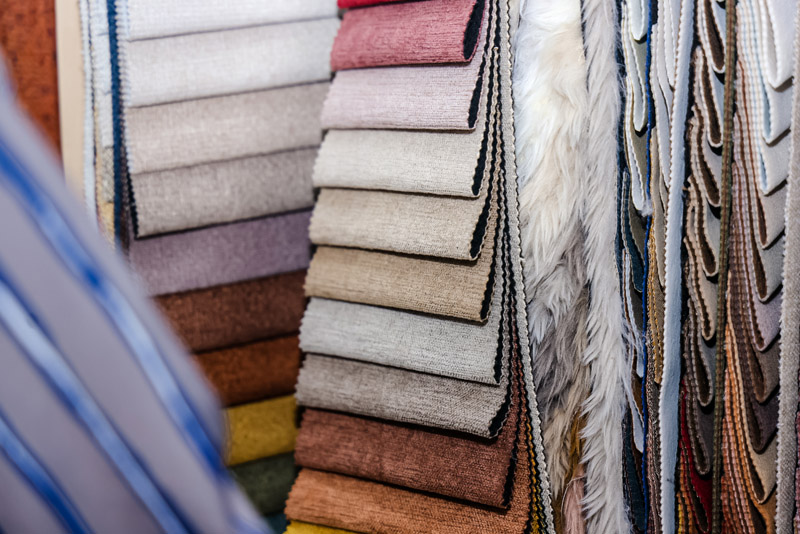
1. Pure Linen: Natural Elegance & Premium Appeal
Advantages
Timeless natural sophistication
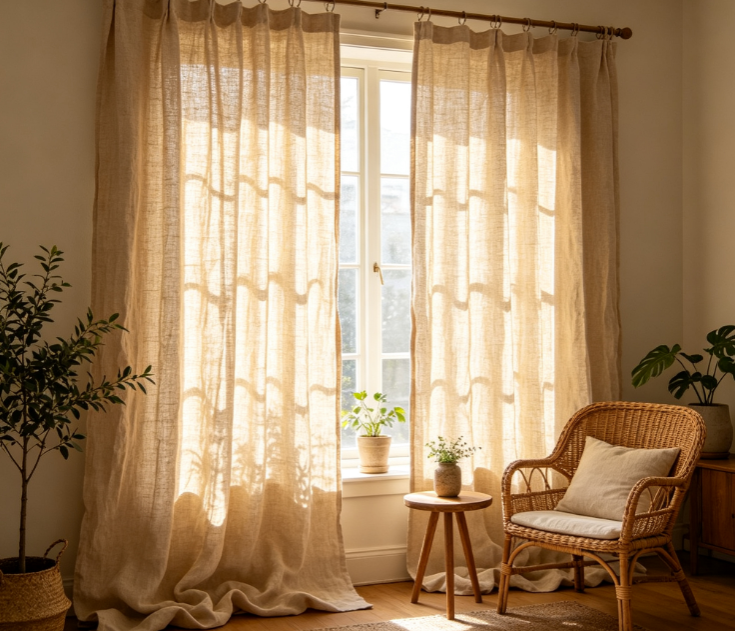
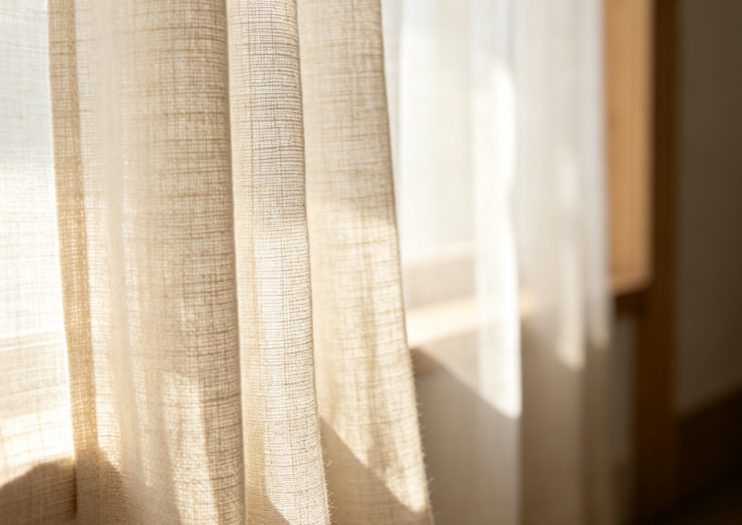
Interior and lifestyle photographers widely recognize that the light diffusion effect of pure linen cannot be replicated by synthetic fabrics. Its uneven fiber structure creates soft, diffused light, adding a dreamy ambiance.
Linen curtains are a staple for wabi-sabi, Nordic and French country interior styles, and are frequently used as backdrops to bring out a relaxed, authentic vibe in photography. This irreplaceable visual charm is why pure linen stays popular despite its durability flaws. For anyone looking to style an interior with cozy, authentic boho curtains, choosing a natural linen base adds that essential layer of warmth, depth, and laid-back character that synthetic materials simply cannot replicate.
As outlined in an in-depth industry analysis titled Linen vs Linen-Look published by high-end textile blog Valley Vogue, referencing research from James Dunlop Textiles:
"Countless clients are drawn to the distinctive feel and tactile quality of genuine natural linen."
Superior breathability
Linen fibers release moisture rapidly. Linen garments keep the skin cool in summer, while linen curtains help lower indoor temperatures. Gentle airflow through the fabric creates a refreshing, comfortable atmosphere indoors.
All-natural & skin-friendly
Linen is mildew-resistant and hypoallergenic. The European Confederation of Linen and Hemp (CELC) confirms linen is one of the most eco-friendly fibers globally. Its cultivation requires far less irrigation water and pesticide compared to cotton.
Excellent thermal regulation
Linen boasts a high thermal conductivity — 5 times that of wool and 19 times that of silk. Though curtains do not come into direct contact with skin, they effectively cut down radiant heat near windows.
Disadvantages
Demanding maintenance
Frequent washing severely damages pure linen. Machine laundering will lead to noticeable shrinkage.
Persistent wrinkling
Even when left hanging, fluctuations in ambient humidity will cause creases. This makes linen a less ideal choice for hot and humid tropical regions.
Limited light blocking
Loose fabric density means additional blackout lining is usually required. Otherwise, harsh morning sunlight will easily stream through.
"The beauty of linen lies in its imperfections. Its natural grain and soft folds embody comfort and authenticity — a lived-in feel that synthetic materials can never fully replicate."— 2026 Curtain Trend Guide (Joeyz Shopping)
2. Linen-Look Fabric: High-Performance & Practical Choice
Advantages
Effortless upkeep
Linen-look curtains can be safely machine washed and air-dried straight after cleaning. Outstanding wear and sun resistance make them perfect for households with kids or pets.
Stable drape
Polyester recovers its shape well and always maintains a neat appearance.
Flexible light-blocking performance
Integrated blackout layers can raise its light blocking rate to 80% – 90% or higher.
Cost-effective
On the global market, linen-look fabric generally costs just one-third to one-half the price of pure linen.
Disadvantages
Static buildup
It tends to generate static electricity in dry weather, attracting dust easily.
Ordinary tactile quality
The artificial look and slight plastic feel are noticeable upon visual and physical inspection, lacking the refined aesthetic of natural linen.
3. Selection Guidelines
Choose Pure Linen If:
You are decorating living rooms or studies, pursuing a high-end interior style, have a sufficient budget, and can accept its tendency to wrinkle.
Choose Linen-Look Fabric If:
You need curtains for bedrooms with high light-blocking demands, prioritize low-maintenance use, or are furnishing rental properties. It is also the top pick for practical households with children or pets.
Expert Recommended Solutions
Option 1: 70% Polyester + 30% Linen Blend
International interior design distributor Deco&You noted in its blog post Which fabrics are best for curtains:
"Linen-polyester blends are now a leading trend. This combination retains the fresh texture of natural linen while leveraging polyester’s structural stability."
A 30% linen content delivers authentic natural texture, while the 70% polyester base keeps shrinkage below 2% and minimizes wrinkling.
Option 2: Cotton-Linen Blend
If you love linen’s texture but want to reduce shrinkage and other drawbacks, opt for linen-polyester blends such as the 30% linen / 70% polyester formula mentioned above.
References:
[1] Alliance for European Flax-Linen & Hemp (Former CELC). (2023). Flax Fiber Sustainability & Physical Property Technical Whitepaper. Official European flax industry research report covering breathability, thermal conductivity and eco-cultivation data of 100% linen fiber.
[2] AATCC. Standard Test Method AATCC 183: Transmittance of Textiles for Ultraviolet Radiation (UPF Testing). Global benchmark standard for fabric UV protection performance evaluation.
[3] ASTM International. ASTM D2259: Standard Test Method for Dimensional Change of Textile Fabrics After Laundering, adopted for measuring shrinkage rates of linen and polyester curtain fabrics.
[4] ISO 13934-1. Textiles – Tensile Properties of Fabrics: Standard test for tensile strength comparison between natural flax and polyester fiber materials.
[5] Valley Vogue Textile Journal. (2026). Linen vs Linen-Look: Consumer Preference & Tactile Perception Research. Co-researched with James Dunlop Textiles, a premium global home textile manufacturer.
[6] Nanling Textile Industry Research Lab. (2026). The Technical Evolution of Linen Imitation Polyester Fabric. Comparative lab data on slub texture, wrinkle recovery and color fastness of synthetic linen-look materials.
[7] Freshine Interior Textile Report. (2026). Comprehensive Curtain Fabric Performance Profile: Linen, Polyester & Blended Materials. Analysis of light filtration, thermal insulation and residential application scenarios.
[8] Deco&You Global Interior Design Blog. (2026). Which Fabrics Are Best for Curtains: Blend Fabric Performance & Market Trend Analysis.
[9] Journal of Engineered Fibers and Fabrics. Comparative Analysis of Natural Flax Slub Yarns vs Polyester Imitation Linen Yarns. Peer-reviewed textile science paper on fiber texture difference mechanism.
[10] Joeyz Shopping. (2026 Curtain Trend Guide). Global residential window furnishing aesthetic and practicality market survey.