
How to Remove Cat Urine Odor from Furniture: Tips for Sofas, Solid Wood & Flooring
2026-07-19
Getting rid of cat urine smell is one of the toughest household cleaning tasks. A common mistake people make is using ammonia-based cleaners or simply covering the stench with perfume. These methods never eliminate the odor; instead, they often create even more unpleasant smells.
Cat urine contains uric acid [1]. Regular soap and water only remove surface urea and cannot break down uric acid crystals [2]. These crystals release odors again when exposed to moisture, such as on rainy or humid days. What’s more, cats will keep marking the same spot if they catch even a faint trace of the leftover scent [3].
To fully eliminate the smell, you must use enzymatic cleaners to dissolve uric acid crystals completely [1]. Below is a step-by-step guide for different types of furniture.
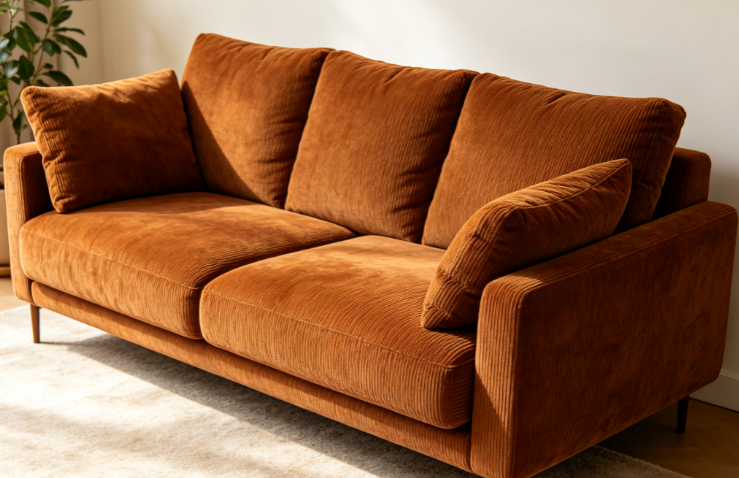
Upholstered Furniture & Sofas (Deep Penetration Stains)
Blot immediately
For fresh stains, press plenty of paper towels or old towels firmly onto the wet area to soak up as much liquid as possible [2]. Do not rub back and forth, which will push urine deeper into the fabric fibers.
Apply enzymatic pet odor remover
Use a dedicated enzymatic pet stain and odor spray (e.g., Nature's Miracle) [1]. Apply a generous amount over the affected area, ensuring the solution covers a wider range and seeps deeper than the urine itself. Let it sit for 15 to 30 minutes to give enzymes enough time to break down uric acid.
Absorb residual liquid
Place clean towels over the area and press down with your body weight to draw out excess solution and dissolved waste.
Air dry naturally
Leave the sofa to air dry for several days. Never use a hair dryer. High heat will harden leftover proteins inside the fibers, leaving the odor permanent [2].
Solid Wood Furniture & Flooring (Surface Stains)
Emergency treatment with alcohol or vinegar
Wipe up urine right away. Mix white vinegar and water in equal parts, or use 75% isopropyl alcohol to clean the area [4]. The mild acidity of vinegar neutralizes alkaline ammonia in fresh cat urine.
Wet compress with enzymatic cleaner (for lingering odors)
If the wood has absorbed the smell, do not pour large amounts of liquid directly onto it. Soak paper towels fully with enzymatic pet cleaner, then lay them over the smelly surface [2].
Cover with plastic wrap to slow evaporation. Remove the wrap and towels after 30 to 60 minutes. Wipe the surface with a damp well-wrung cloth, then dry it thoroughly right away.

Things You Must Never Do
-
Avoid ammonia-based cleaners: Ammonia smells similar to cat urine
[3]. Cats will interpret the scent as a territorial mark from another cat and keep re-marking the spot.
-
Baking soda and vinegar alone are not enough: While this combination may reduce mild fresh odors, it cannot break down stubborn uric acid crystals
[1].
Prevent Repeat Spraying & Odor Recurrence
Cats spray furniture due to mating urges, stress, urinary tract issues or dissatisfaction with their litter box [5].
You can check for hidden stains with a black light in a dark room [2]. Fluorescent marks mean urine residue still remains.
Additionally, cats never relieve themselves where they eat [3]. Place your cat’s food bowls, treats or favorite toys near previously soiled spots. The scent of food and their own pheromones will make them treat the area as a resting space rather than a toilet.
Frequently Asked Questions
Q1: Why is cat urine odor so hard to get rid of and keep coming back?
A: Uric acid crystals sink deep into wood, fabric and leather crevices, and standard cleaners cannot break them down [1]. The smell fades temporarily once dry but returns strongly when exposed to moisture [2].
Q2: What should I do first when my cat just urinates on furniture?
A: Press dry paper towels or absorbent cloths onto the spot to soak up liquid — do not rub. Spray with specialized pet odor remover, let it sit for a while then wipe clean. Keep the room well ventilated throughout the process.
Q3: How do I clean cat urine off leather furniture?
A: Use a leather-safe pet odor cleaner and wipe gently along the grain. Stay away from strong vinegar, disinfectants and bleach, as these will damage leather. Always apply leather conditioner after cleaning.
Q4: How to remove old cat urine smells from fabric sofas and cushions?
A: Blot the stain thoroughly first, then spray enzymatic odor remover evenly [2]. If the covers are removable, wash them separately with pet-safe laundry detergent.
Q5: Is it okay to use bleach, perfume or air fresheners to mask cat urine smell?
A: No. Bleach fails to dissolve uric acid and damages furniture materials. Perfume and air fresheners only cover odors temporarily, and mixing these scents with urine creates an even worse stench.
Q6: How to remove lingering cat urine odor from drawers and cabinets?
A: Clean up all stains first, then place activated charcoal bags inside. Keep the doors closed for 1 to 2 days to absorb odors.
Q7: Can I leave furniture under direct sunlight to get rid of the smell?
A: Prolonged direct sunlight is not recommended. Heat cannot break down uric acid, and it will fade fabric, crack wood and stiffen leather.
Q8: Apart from cleaning, how do I stop a cat from repeatedly spraying furniture?
A: Check the number, placement and cleanliness of litter boxes regularly [5]. See if your cat is in heat, feeling stressed or suffering from health problems. Address these root causes to solve the issue [3].
References:
-
[1]The Humane Society of the United States: Removing Pet Stains and Odors. (Guidelines on enzymatic protein breakdown vs. traditional masking options). -
[2]ASPCA (American Society for the Prevention of Cruelty to Animals): Remedying Feline House Soiling. (Procedures regarding deep moisture extraction, avoiding heat application, and black light detection). -
[3]Cornell Feline Health Center (Cornell University College of Veterinary Medicine): Feline Behavior Problems: House Soiling. (Analysis of behavioral re-marking triggers, territorial psychology, and strategic feeding placement). -
[4]Colorado State University Extension: Cleaning Up After Pets. (Application details for household neutralizers like diluted vinegar on non-porous vs. porous surfaces). -
[5]American Association of Feline Practitioners (AAFP): Litter Box Accommodation and House Soiling Management. (Medical vs. environmental stressors causing elimination issues outside the litter box).