
What Is Japandi Furniture? How to Style Japandi Interiors in 2026
2026-08-05
Japandi is a rising fusion aesthetic in high-end interior design in recent years, a style you may not have heard of years ago.
So what exactly is Japandi? A portmanteau combining "Japan" and "Scandi", it seamlessly merges Japanese and Scandinavian home soft furnishing styles. Its growing popularity stems far beyond a random mix of design elements. It masterfully unites Wabi-Sabi from Japanese aesthetics — the Zen philosophy of embracing imperfection and revering nature — with Hygge from Scandinavian design, a modern humanistic concept centered on comfort, functionality and warmth.
As global consumers increasingly seek spaces for emotional well-being in 2026, Japandi has emerged as a defining new trend in home aesthetics. Below is the ultimate 2026 guide to nailing the Japandi look with soft furnishings.
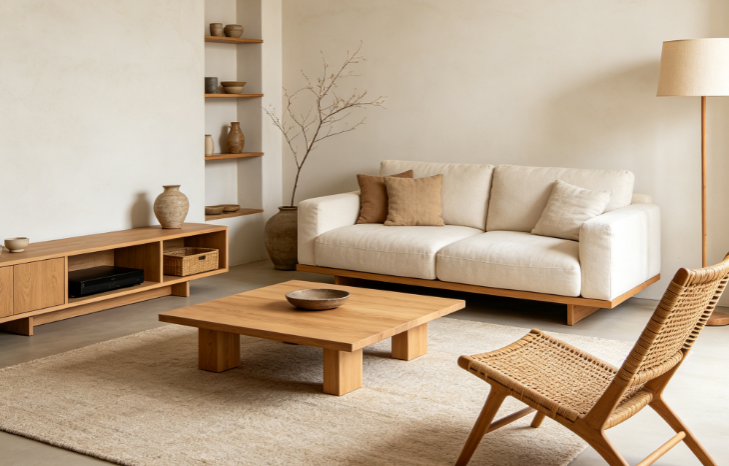
Understanding Japandi: Four Key Aesthetic Shifts in 2026
1.Color Palette: From Cool Monochrome to Warm Earth Tones
Early Japandi designs relied heavily on stark white, concrete grey and pale natural wood. While sleek and clean, these tones created a cold, distant vibe that lacked homely warmth.
2026 Trend Update: Embrace softer, inviting warm hues. Use oat and toasted almond as dominant base tones, accented with moody moss green and terracotta. These shades infuse the space with gentle warmth, like sunlight filtering through the room.
2.Furniture Silhouettes: From Sharp Geometric Lines to Gentle Curves
Traditional Japandi furniture featured rigid, angular geometric lines, highlighting the industrial practicality of Scandinavian design and the crisp minimalism of modern Japanese furnishings.
2026 Trend Update: Soften harsh edges with subtle curves. Modular sofas take on rounded, pebble-like shapes, while table corners and cabinet edges are crafted with graceful arcs. These flowing lines bring an unparalleled sense of ease and security.
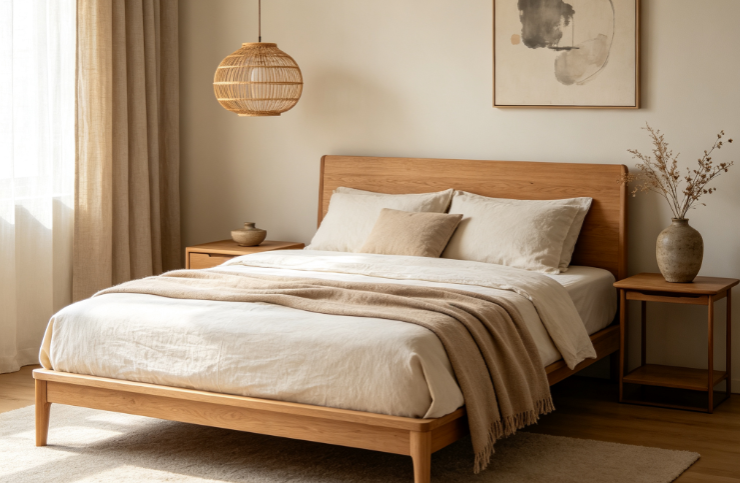
3.Textures: From Industrial Finishes to Tactile Luxury
Classic Japandi favored polished wood and plain thin linen, prioritizing flawlessly smooth surfaces.
2026 Trend Update: Celebrate raw textures and natural imperfections. Unrefined rustic timber, plush heavyweight shearling and subtly textured concrete walls take center stage, defining the new era of tactile luxury.
4.Ambience: From Strict Minimalism to Wellness-Focused Retreats
Early Japandi adhered to extreme visual minimalism. Excessive blank space stripped away daily life details, leaving spaces feeling stark and even oppressive.
2026 Trend Update: Shift toward warm, emotionally nurturing interiors. Instead of rigid blankness, design layouts that welcome natural light, turning the home into a soothing sanctuary for the mind and soul.
Practical Styling Tips for 2026 Japandi Interiors
Creating a cozy modern Japandi home lies in striking a perfect balance between Japanese subtlety and Scandinavian practicality.
1.Furniture Selection
Low-profile pieces are the signature of Japandi style. Opt for low media consoles, floor-hugging modular sofas and short-legged coffee tables. They visually expand the room and evoke a calm, tranquil mood.
Balance textures between cool and warm materials, blending Scandinavian functionality with Japanese natural charm. For instance, pair a classic Scandinavian oak or ash wood dining table with handwoven Japanese rattan dining chairs.
Pebble-shaped curved modular sofas are another great pick. Their soft contours are not only visually pleasing but also family-friendly for households with kids.
Global Sourcing Insight: With this minimalist aesthetic sweeping the globe, many boutique online retailers and design studios source their core inventories through specialized channels offering online home decor china imported products. For larger residential projects or retail ventures, understanding how to buy furniture wholesale is essential to directly connect with reliable manufacturers, ensuring consistent material quality while significantly optimizing procurement budgets.
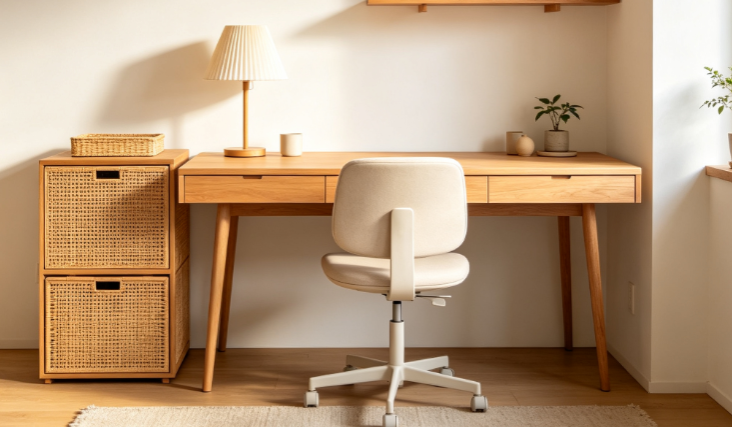
2.Color Combinations
Steer clear of stark pure white in 2026 Japandi schemes. Replace plain white paint with microcement, limewash, or warm-toned wall finishes in oat and cream grey. Their fine grain creates delicate light and shadow effects when sunlight hits the surface.
Avoid vivid saturated colors entirely. Stick to muted natural shades: deep brown of dry branches, earthy terracotta and muted matcha green. Use charcoal and charred wood tones as subtle accents.
3.Soft Furnishings & Textiles
Choose sheer natural linen curtains instead of heavy velvet or blackout fabrics to let ample natural light flow in.
Apply the layering technique to rugs and cushions. Lay large sisal or jute rugs over wooden floors, and dress sofas with bouclé cushions and chunky knit throws for layered texture.
Supply Chain Tip: Achieving the perfect "tactile luxury" requires fabrics with precise fabric weights and organic slub textures. Leading home textiles manufacturers have launched dedicated 2026 collections focusing on high-texture bouclé, organic linen blends, and recycled performance yarns that meet commercial durability standards without losing their raw, natural aesthetic.
4.Lighting Design
The 2026 Japandi lighting philosophy is understated, warm and targeted accent lighting.Set the main household lighting to 3000K–3500K warm white. For floor lamps and table lamps used for ambient lighting, stick to 2700K warm yellow to amplify coziness.
Add iconic Isamu Noguchi-style washi paper lamps. Paper and fabric diffuse harsh LED light into soft, moonlike glow throughout the space.
5.Decor & Styling Accessories
Never overcrowd Japandi spaces with decor. Leave ample empty space on cabinets and walls. A simple monochrome geometric artwork or a textured Wabi-Sabi painting is all you need.
Skip lush broad-leaf plants. Go for botanicals with slender, Zen-inspired silhouettes, such as pieris japonica, lilium longiflorum, dracaena, or a simple vase with artfully arranged dry branches.
6.Pro Shopping Guidelines for 2026 Japandi Home Decor
Avoid uniform wooden finishes: Using identical wood tones for flooring, wall panels and furniture results in a flat, lifeless space. Mix light and dark wood varieties, and complement them with linen, ceramics and stone to add depth.
Don’t sacrifice storage for minimalism: Japandi’s uncluttered look relies heavily on concealed storage. Tuck daily clutter out of sight with hidden cabinetry.
Integrate tech smartly: Modern home appliances are essential. Choose built-in refrigerators and retractable projector screens to keep tech fixtures discreet and preserve the natural aesthetic.
For international buyers looking to source physical samples of these trend-forward minimalist pieces, exploring the sprawling home decoration market in guangzhou provides a massive B2B playground. From hand-crafted Wabi-Sabi ceramics to customizable minimalist lighting, this sourcing hub perfectly bridges raw design drafts with industrialized manufacturing scale.
References
1.International Interior Design Association (IIDA). 2026 Global Residential Interior Trends: The Fusion of Wabi-Sabi and Hygge in Modern Japandi Spaces.
2.China Foreign Trade Centre (CFTC). Guangzhou Home Decoration & Soft Furnishings Export Directory: B2B Sourcing & Supply Chain Integration.
3.Sustainable Textile Trade Association (STTA). Performance Fabrics & High-Tactile Yarns for Commercial and Residential Interiors.
4.Illuminating Engineering Society (IES). Color Temperature, Human-Centric Lighting, and Spatial Wellness in Residential Environments.
Disclaimer
Editorial & Styling Disclaimer: The interior styling advice, color schemes, lighting color temperature guidelines (Kelvin ratings), and textile recommendations provided in this article are intended for general informational and aesthetic guidance only. Spatial results may vary depending on natural light exposure, room dimensions, and specific fabric manufacturing batches.
B2B Sourcing & Commercial Disclaimer: References to global procurement channels, wholesale furniture importing, Chinese manufacturing partnerships, and the Guangzhou home decoration market do not constitute formal business endorsements or contract guarantees. Global buyers, interior designers, and commercial buyers are advised to perform independent supplier due diligence, request physical product samples, and verify local fire-retardant and safety compliance certifications before finalizing bulk purchase agreements.