
How to Clean a Genuine Leather Sofa Properly: Regular Cleaning Tips & Hacks
2026-09-23
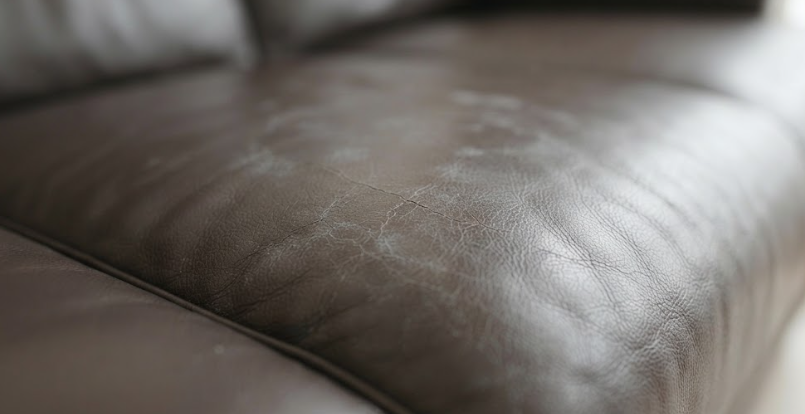
Even after undergoing complex tanning, dyeing and finishing processes, genuine leather sofas still retain their natural fibrous structure and pores. They call for gentle, careful care. Harsh chemical cleaners strip away leather’s natural oils, leaving it stiff, cracked and robbing it of its soft sheen.
During leather production, tanneries add specific fatliquors to keep the fibres supple. Strong detergents, alcohol or high‑alkaline products wash these oils out, drastically reducing flexibility. What’s more, most genuine leather is mildly acidic. Powerful alkaline chemicals disrupt this delicate pH balance and cause permanent denaturation of leather’s protein fibres.
Damage from harsh chemicals is irreversible. Deprived of natural lubrication, leather loses its soft, smooth feel and turns rough like cardboard. As elasticity fades, cracks will quickly develop from everyday use and may eventually peel off. Chemical residues continue to eat away at the leather over time, drastically shortening the sofa’s lifespan.
So how do you clean a genuine leather sofa safely without harsh cleaners? Below is a standard, safe routine for cleaning and conditioning.
1. How to Clean a Genuine Leather Sofa Properly: Weekly Light Cleaning
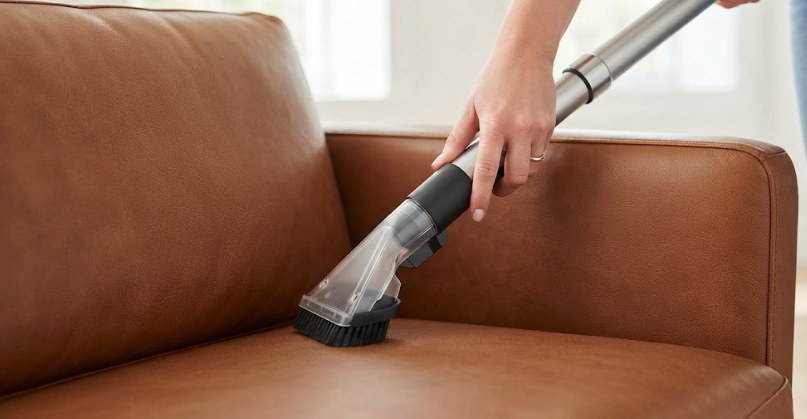
Use the soft brush attachment of your vacuum cleaner or a dry microfibre cloth to wipe down the sofa. Remove dust, debris and pet hair trapped in crevices.
Note: Never use stiff brush heads, as these can scratch the leather surface.
2. Deep Cleaning Every 3–6 Months
Important note: Full‑aniline leather is the most delicate type. It has almost no protective topcoat. Do not clean it at home with water or detergent. Simply use an ultra‑soft dry microfibre cloth to brush off surface dust. Grease or stubborn stains on full‑aniline leather usually require professional leather restoration services.
The deep‑cleaning method below only applies to semi‑aniline leather, corrected‑grain leather, standard‑grade genuine leather and faux leather.
For minor surface stains:
- Spot test in a hidden area (mandatory): Before full cleaning, dab your cleaning solution onto an out‑of‑sight spot such as the back or bottom of the sofa. Wait 5–10 minutes and check for fading, whitening or discolouration. Only proceed if no colour change occurs.
- Mix your cleaning solution: Fill a basin with lukewarm water around 30°C. Add 3–5 drops of mild neutral soap (baby shampoo, gentle body wash work well) or dedicated leather cleaner. Stir lightly to create a thin layer of foam on top.
- Take a lint‑free white or pale cotton cloth. Dip it into the solution, then wring it out firmly until it is merely damp — not dripping. Excess moisture can trigger mould beneath the surface.
- Wipe gently following the natural grain of the leather. If a stain won’t lift, do not scrub aggressively. Grab a clean sponge, pick up just a little soap foam, lay the foam over the mark, and massage in soft circular motions.
-
Rule: Skip stiff bristle brushes and avoid heavy rubbing at all costs.
- Use a separate clean cloth dampened with plain water, wipe again along the grain to remove leftover grime and soap residue. This step is critical: leftover soap will gradually damage the leather finish.
- Dry the surface thoroughly with another dry cloth. Let the sofa air‑dry naturally in a cool, well‑ventilated space. Do not blow it with a hairdryer (hot or cold air), and never place it in direct sunlight.

3. Quick Low‑Effort Cleaning Methods
Ready‑to‑use leather cleaning foam (with built‑in brush heads) or leather care wipes are great convenient alternatives. No mixing, no diluting, no repeated rinsing required. Just wipe soiled spots lightly, then blot away residue with dry paper towels.
Simplified lazy routine:
- Dust removal: Run the vacuum’s soft brush along seams, or swipe with an electrostatic dust mop.
- Local stain cleanup: Fingerprints and small spills come off easily with a slightly damp cloth or leather wipe.
- No‑fuss conditioning: If full cream conditioning feels like too much work, keep a bottle of leather conditioning spray handy.
Prevention beats cleaning: Drape a nice cotton slipcover or throw blanket over your sofa. Sweat, body oils and crumbs land on the fabric instead. Just remove and machine‑wash the cover regularly.
4. Conditioning After Every Cleaning
Leather inevitably loses some natural oils once cleaned. Always condition it once fully dry. Pick a high‑quality leather conditioning cream.
Apply a tiny amount with a clean soft cloth using light circular motions to form a thin coat.
Leave it for a few minutes to absorb, then buff away excess conditioner with a dry cloth. This keeps the leather supple and builds a protective layer.
5. Everyday Usage Tips
- Keep away from direct sunlight: Place your sofa out of sun exposure. Persistent UV rays speed up ageing, hardening and fading.
- Maintain distance from heat sources: Do not set it right next to radiators or fireplaces. Leave at least 50 cm of clearance.
- Treat spills right away: Blot fresh water, drink or oil spills immediately with absorbent paper or soft cloth. Do not press hard or wipe sideways, which spreads the stain further.

References
[1] This Old House. How To Clean Leather.
[2] LifeTips. How to Clean a Leather Sofa: Non‑Toxic, pH‑Balanced Method.
[3] The Butler’s Closet. Step‑by‑Step Guide to Leather Couch Care: Clean, Condition, and Protect Leather Furniture.
[4] ProperSofa. How to Clean a Leather Sofa: A UK Care Guide.
[5] Townsend Leather. Leather Care and Cleaning Guidelines (PDF).
[6] International Council of Tanners. Care and Handling of Leather.
[7] La‑Z‑Boy. Fabric and Leather Care.
[8] Furniture Academy. How to Actually Clean and Care for a Leather Sofa So It Lasts 20 Years.
[9] MDD. Proper furniture care.
[10] Southern West Virginia Community & Technical College. How to Clean Leather Furniture Properly.
Disclaimer:
All cleaning tips are for general reference only. Different leather finishes react differently to home cleaning products. Test all solutions on a hidden area first. We assume no responsibility for any damage caused by following this guide. When in doubt, hire a professional leather care expert.