
What Is Contract-Grade Furniture? Meaning and Differences from Residential Furniture
2026-09-24
When shopping for furniture, you will often come across the term “contract-grade”. We are familiar with standard residential furniture, but is contract-grade furniture simply furniture made for commercial spaces? Not exactly.
Contract-grade furniture is not only used in hotels, restaurants and offices; it has also become a popular choice among many consumers seeking high-quality home furnishings.
So what exactly is contract-grade furniture, and how does it differ from ordinary residential furniture? This article takes an in-depth look.
1. What Does “Contract-Grade” Mean? What Is Contract-Grade Furniture?
“Contract Grade” refers to products engineered and manufactured for heavy, frequent use in public and commercial environments.
When these products fall under the furniture category, they are known as contract-grade furniture. Unlike standard retail furniture, these items are typically purchased in bulk by businesses or for commercial projects, with rigorous formal contracts defining quality benchmarks and performance specifications.
When you buy a few pieces of furniture from a retail store, you receive an invoice, but you generally do not sign a separate detailed commercial contract. For contract-grade furniture, stricter purchasing protocols and legal requirements translate to more robust quality assurance.

2. What Are the Specific Attributes of Contract-Grade?
From a technical and manufacturing standpoint, contract-grade denotes the following characteristics:
- Superior structural strength. It uses thicker panels, reinforced hardware, strengthened joinery or high-strength metal frames to resist loosening under constant heavy use.
- Professional-grade fabrics and coatings. It incorporates fire-resistant, stain-resistant, waterproof or highly durable textiles, leathers and surface finishes.
- Safety and environmental compliance. It meets mandatory safety codes for commercial spaces, including load-bearing requirements and flame-retardant standards.

3. What Does Contract-Grade Mean for Furniture?
Contract-grade means furniture has passed far more stringent testing covering durability, safety and stability.
Residential furniture is engineered for occasional light use. By contrast, the defining trait of contract-grade furniture is exceptional wear resistance and a longer service life. Imagine pieces built to withstand heavy foot traffic and frequent moving in commercial settings while maintaining solid performance — they will easily hold up in everyday household use. Contract-grade finishes also retain their appearance better, resisting accidental scratches and liquid spills, and are simpler to clean and maintain.
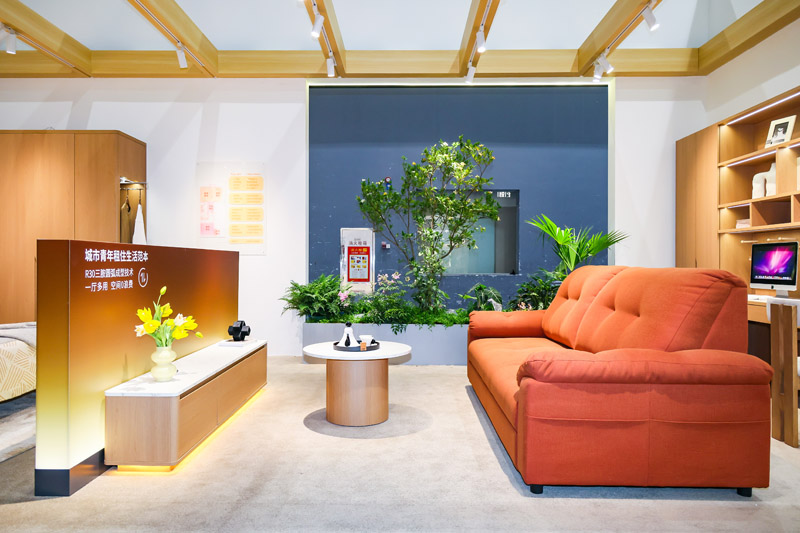
4. Contract-Grade Office Furniture vs Residential Furniture
Below is a detailed comparison between contract-grade office furniture and standard residential furniture:
| Comparison Category | Contract-Grade Office Furniture | Standard Residential Furniture |
|---|---|---|
| Usage Intensity & Lifespan | Built for continuous, heavy-duty daily use with an extended design life. | Designed for light use of several hours per day. |
| Ergonomics & Adjustability | Features precise, multi-axis adjustment to accommodate workers of different body types for long hours and reduce occupational strain. | Basic functions focused on comfort for short-duration home use. |
| Modularity & Scalability | Standardized and modular, enabling easy disassembly, reconfiguration and bulk add-ons as a team expands. | Mostly standalone pieces, rarely engineered for large-scale expansion or frequent reassembly. |
| Material Specifications & Thickness | Thicker gauge steel, high-density durable panels and industrial-grade hardware. | Materials prioritise soft tactile feel, aesthetic appeal and lighter weight. |
| Safety & Eco-Certifications | Must comply strictly with commercial building fire codes (e.g. CAL 133) and stringent formaldehyde emission limits. | Meets basic residential environmental standards; may not satisfy specialised commercial fire requirements. |
| Cost Efficiency (ROI) | Higher upfront investment, but lower long-term total cost thanks to outstanding durability and minimal repairs or replacements. | Lower initial purchase price, but prone to damage under heavy commercial use and requires more frequent replacement. |
| Warranty Coverage | Longer, comprehensive commercial warranties, ranging from 5–10 years and sometimes limited lifetime coverage. | Shorter warranty terms (1–3 years), usually voided under heavy commercial use. |
5. Is Contract-Grade Furniture Better Quality?
In short, yes. On average, contract-grade furniture outperforms standard residential furniture in durability, material thickness and build quality, with greater load resistance. It stands the test of time and cuts hidden costs from frequent repairs. That said, contract-grade furniture requires a larger upfront budget. Its aesthetic design tends to prioritise function and practicality over highly custom decorative styling.

6. Does Contract-Grade Furniture Always Cost Much More Than Residential Furniture?
It does carry a slight premium. Even though unit prices are higher, its extremely long service life and low wear rate deliver meaningful long-term savings.
Additionally, premium retailers such as West Elm and Crate & Barrel price their contract lines higher due to built-in design and brand premiums.
7. Does Contract-Grade Furniture Look Drab and Office-Like?
Older commercial furniture certainly had that reputation. Today’s contract furniture designers have moved far past that cold, rigid aesthetic to boost product competitiveness and brand identity. Catering to co-working spaces and boutique hotels, many contract-grade collections feature contemporary styling, blending minimalism, light luxury, industrial design or warm residential aesthetics.
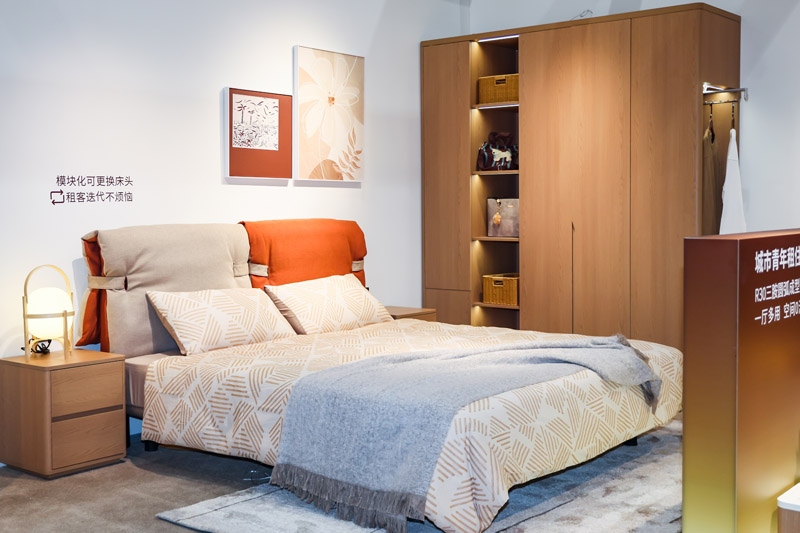
8. Where Can Regular Consumers Buy Contract-Grade Furniture?
Open retail channels: Many leading home brands including Pottery Barn, Room & Board and CB2 maintain dedicated Contract / Commercial lines, available directly to consumers online or in showrooms.
Some top-tier contract furniture brands operate on a “To the Trade” model, selling exclusively to interior designers, architects and corporate clients; these are harder to source through standard retail.
9. Are Formaldehyde and Hazardous Emission Standards Tighter for Contract-Grade Furniture?
Indoor air quality requirements are typically stricter for contract-grade furniture. Commercial premises, schools, large offices and hotels are governed by tougher indoor air quality (IAQ) regulations and certifications such as GREENGUARD. Contract-grade furniture therefore faces higher market entry requirements.
Reference List
[1] IKEA US. What is Contract Grade.
[2] BIFMA. Standards FAQs for Commercial & Institutional Furniture.
[3] UL Solutions. UL GREENGUARD Certification Program.
[4] National Fire Protection Association (NFPA). Fire Codes & Standards for Furnishings.
[5] California Air Resources Board (CARB). Formaldehyde Standards for Composite Wood Products.
[6] Furniture For Business. What is contract furniture? A UK guide for hybrid offices.
[7] Trilogie. What Is Contract Furniture?
[8] Inside Out Contracts. Contract Furniture FAQ.
[9] NIST. Furniture Flammability: An Investigation of the California Technical Bulletin 133 Test.
[10] BIFMA. Standard Descriptions including ANSI/BIFMA X7.1 Emission Standard.
Disclaimer
Legal Disclaimer All content within this article is provided for general educational and informational purposes only and does not constitute professional architectural, interior design, procurement, building code or legal advice.
Statements regarding contract-grade furniture performance, certifications, fire safety and emission standards are general summaries of industry norms. Product performance, compliance and warranty terms vary widely by manufacturer, model, production batch, region and applicable local building codes. Readers must independently verify certification documents, test reports and local regulatory requirements prior to furniture purchase or specification.