
Home Textiles Grey Cloth Sourcing Guide: How to Easily Spot Weaving Defects
2026-05-26
In the textile industry, grey fabric is considered the "foundation" of the entire value chain. As veteran textile technology expert Dr. Andre West (Professor at North Carolina State University College of Textiles) puts it: "You cannot fix a poor base with dyeing. Every defect at the grey fabric stage is magnified tenfold in the finished product".
When sourcing grey fabric for home textiles, buyers need practical skills to identify defects caused during weaving. Grey fabric lays the foundation for subsequent dyeing, printing, and finishing processes, and directly determines the yield rate of finished products.
If defects are not detected at the sourcing stage, hidden issues will compromise final product quality later on. Since grey fabric remains unprocessed, flaws tend to be concealed within raw yarn structures and can only be identified via professional inspection.
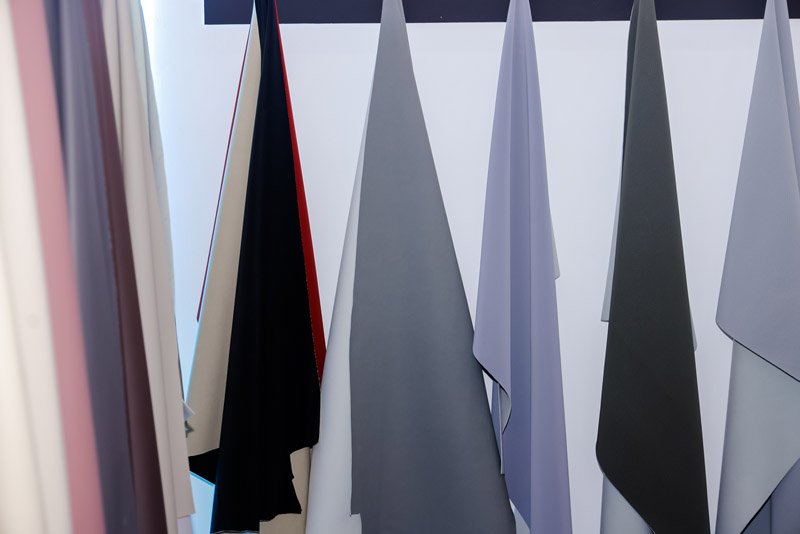
Step 1: Visual Inspection for Defects
Start the inspection on a professional inspection table fitted with frosted glass and backlighting. Focus on the following typical weaving defects:
-
Broken Warp / Broken Weft: Gaps formed when warp or weft yarns snap during weaving. This is a critical structural defect that fails basic purchasing requirements. Per ASTM D5430 standards, any break longer than 1 inch results in an immediate 4-point deduction under the 4-Point Inspection System.
-
Stop Mark: Horizontal streaks across the weft direction occurring when looms stop and restart. Visually, the fabric shows uneven shade or inconsistent density. Patricia Urquiola, a veteran textile designer, noted in an interview: "Premium home textiles demand a perfectly even surface. Any visible density variation (stop mark) undermines brand value".
-
Double End / Double Pick: Two yarns appear where only a single thread is required, causing raised lines and uneven texture on the fabric surface.
-
Thin / Thick Place: Abrupt variations in weft density that create patchy areas. According to international physical test data, if the warp/weft density error exceeds ±3%, it will lead to noticeable color deviation after dyeing and printing due to inconsistent dye penetration.
-
Reed Mark: Uneven vertical stripes running along the warp direction of the grey fabric.
Sourcing Tip: If you are specifically looking for specialized materials, such as drapery or upholstery bases, consulting a curated list like the Top 10 Curtain Fabric Manufacturers & Suppliers in China (2026 Guide) can help you find partners who already adhere to these high-precision weaving standards.

Step 2: Physical Performance Inspection
Visual checks catch obvious flaws, while physical contact and testing help expose hidden material issues.
-
Contamination: Foreign substances mixed into the fabric, such as polypropylene filaments, hair, waste yarn, and stains. This is a "top killer" in export trade; industry insiders point out that even tiny foreign fibers are unacceptable in white or light-colored bedding. Oil stains (Oil Stain) in particular leave permanent dark marks after dyeing that are less than 60% removable during scouring.
-
Excessive Hairiness: Overly protruding fiber ends on yarns will create a fuzzy surface and accelerate fabric pilling. According to official Uster statistics, every 1-unit rise in the hairiness value (H) leads to a 0.5-grade drop in pilling resistance.
-
Skewing / Bowing: Misaligned warp and weft threads that are no longer perpendicular. For bulk home textile orders, reports from the International Textile Manufacturers Federation (ITMF) state: "Wide-width fabrics (2.8m or 3m in width) are far harder to maintain balanced tension than narrow rolls. Uncontrolled skewing triggers non-linear shrinkage, leaving bed sheets distorted into diamond shapes after washing".
Strategic Partnering: Finding reliable mills is essential for minimizing these physical risks. Resources like the Top 14 Durable Home Textile Fabric Wholesalers & Manufacturers from China & Vietnam provide a shortlist of factories with proven quality control in yarn tenacity and tension balance.
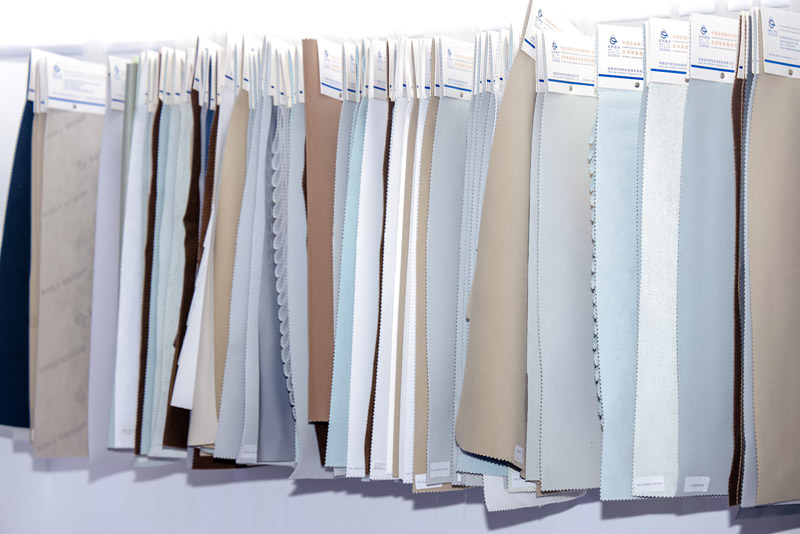
Step 3: Evaluation & Decision Criteria for Grey Fabric Sourcing
4-Point Inspection System
This is the globally adopted standard for fabric grading. In line with combined AATCC and ASTM specifications, defects are scored from 1 to 4 points:
-
1 point: Defect length ≤3 inches.
-
2 points: 3 < Defect length ≤6 inches.
-
3 points: 6 < Defect length ≤9 inches.
-
4 points: Defect length > 9 inches.
Conclusion: Rolls with total deductions ≤ 40 points per 100 square yards are graded First Quality.
3-Meter Rule
Any continuous defect spanning more than 3 meters will result in the full roll being rejected, regardless of point deductions.
Beyond the Fabric: To build a cohesive home collection, it is often helpful to look at the broader manufacturing landscape. The Top 13 Affordable All-Category Home Decoration Makers and Manufacturers in China can guide you toward suppliers who offer finished decorative goods that complement your sourced textiles.
Selvedge Check
Frequent breaks along the fabric selvedge indicate that the tension across the entire roll may be unstable.
Documentation & Certification Verification
For outdoor home textile grey fabric, request UV resistance test reports proving over 3,000 hours of UV protection, as well as official fabric strength test reports.
"For bulk orders of hotel furniture and home textiles, we also review the mill’s Loom State Log. Reliable home textiles manufacturers maintain a consistent yarn breakage rate across all looms. If you find the '3-meter rule' triggered too frequently, it indicates a systemic problem with yarn tenacity, and the entire batch must be rejected".
— Senior Supply Chain Director, International Hotel Group
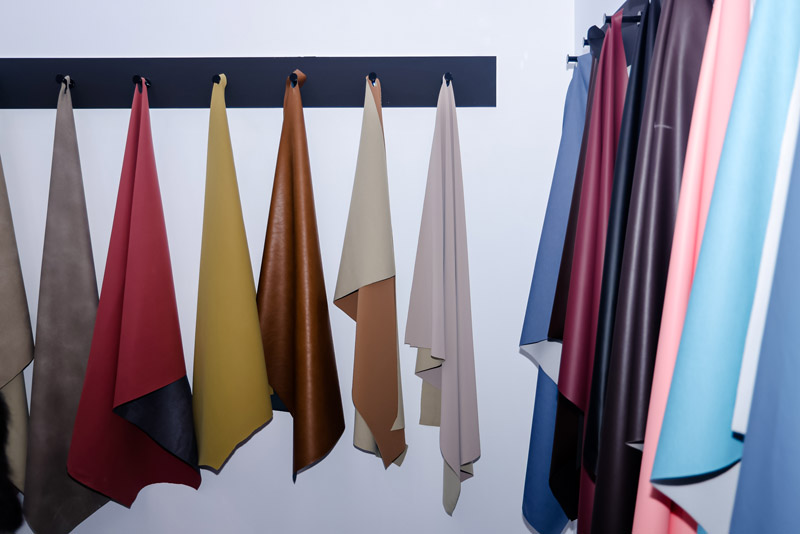
Classification Table of Common Grey Fabric Defects
| Defect Type | Severity Level | Authority Reference / Consequences |
| Large Holes / Tears | Critical | Directly violates safety standards; yield rate drops to 0%. |
| Continuous Stop Marks | Major | ISO 105-J03 color difference rating is usually below Grade 3; fails brand acceptance. |
| Severe Oil Stains | Major | Permanent chemical contamination; ruins finished appearance. |
| Minor Slubs | Minor | According to ASTM D3990, generally acceptable as a natural texture in low-count fabrics. |
Authority References & Citations
[1] Home Textile Grey Fabric Sourcing Tips. (2026). Industry Guide to Identifying Weaving Defects.
[1] West, A. & Feldman, J. (2026). Advanced Quality Control in Textile Sourcing. ITMF & ASTM Combined Industry Report.