Custom Home Textile Fabrics: Strategic Applications and Manufacturing Trends
2026-06-04
In 2026, driven by evolving consumer demands, custom home textiles are shifting from the DTC (Direct-to-Consumer) model to AI-powered flexible manufacturing. Research indicates that modern consumers regard home textiles as an extension of personal taste. For this reason, mid-tier brands are compelled to roll out exclusive custom solutions starting from the very upstream links — yarn hues, weaving structures, and even the eco-friendly fiber ratios — to differentiate their products from generic alternatives.
Startups and e-commerce retailers, in particular, no longer aim to build extensive, all-encompassing product lines. Instead, they tailor home textile goods for niche consumer groups. This strategy has fueled a surging demand for custom fabrics with exclusive features and designs sourced from the upper reaches of the industrial chain. According to the latest report by Fortune Business Insights, the global home textile market reached approximately 231 billion US dollars in 2025. The segments of customization and digital printing have seen far faster growth than conventional product categories.
Leading industry players have also embraced online customization. In January 2025, Welspun, a global home textile giant, launched a fully digital showroom, enabling international buyers to adjust parameters and conduct virtual fabric customization in real time online.
For brands seeking to diversify beyond fabrics, partnering with comprehensive suppliers detailed in the guide to the Top 13 Affordable All-Category Home Decoration Makers and Manufacturers in China offers an efficient way to source matching accessories and hard decorations alongside custom textiles.
Below is an in-depth breakdown of the core application scenarios, economic value and manufacturer ecosystem for custom home textile fabrics.
1. Major Application Scenarios for Custom Home Textile Fabrics
A. Residential Spaces
-
Curtains & Window Treatments
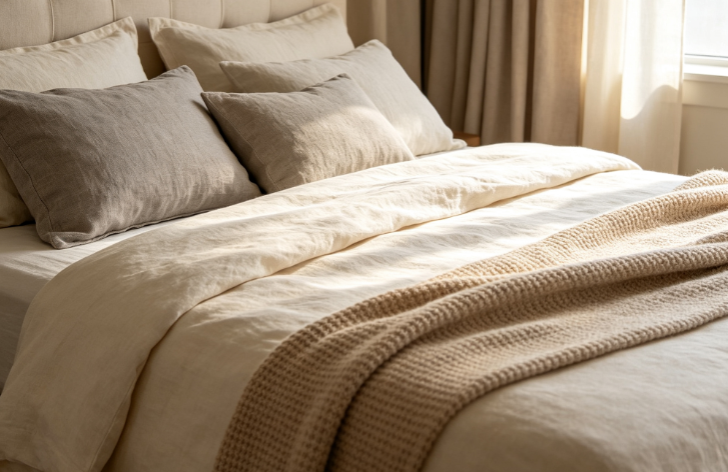
Traditionally, homeowners select curtains primarily for visual cohesion across a property, opting for uniform designs and materials throughout. Yet different rooms serve distinct purposes, calling for tailored fabric solutions. In subarctic regions with limited winter sunlight, sheer fabrics with high light transmittance are ideal for north-facing rooms, while fully blackout coated fabrics work best for bedrooms. That said, such bespoke combinations tend to complicate production and drive up overall costs.
-
Bedding & Loungewear
Fabrics for apparel and textiles targeting specific regions and demographics often require functional enhancements. Seasonal customization has proven a strong selling point: brushed heavyweight fabrics deliver superior warmth for winter use, while cooling blends of PE and nylon offer enhanced comfort in summer.
-
Modular Sofas & Upholstery
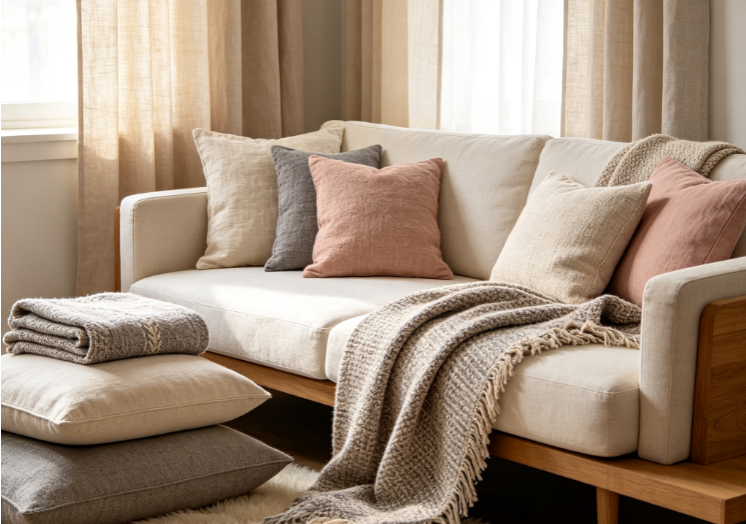
For modern households in 2026, the prevailing trend leans toward custom upholstery solutions sized to fit individual spaces. Popular material choices include heavy-duty canvas, jacquard fabrics and easy-clean textiles.
B. Commercial & Hospitality Sectors
-
Upscale Boutique Hotels
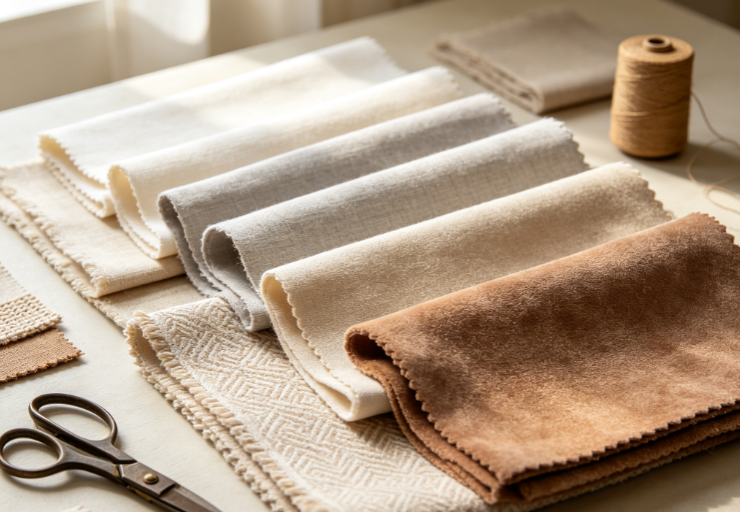
Most branded hotels demand custom features such as embroidered brand logos and specially treated fabrics infused with signature scents or antiviral coatings, making this a highly competitive market. To serve these clients, manufacturers keep innovating new materials that preserve premium texture and quality while cutting hotels’ routine maintenance and renewal expenses.
-
Senior Care & Medical Facilities
Data from 2025 shows antimicrobial fabrics account for 56.7% of the functional fabric market. Custom textiles engineered for long-lasting antibacterial, mildew-resistant and flame-retardant performance (compliant with FR standards) carry high technical barriers. Manufacturers with a background in medical applications hold clear advantages in technical expertise.
C. Pet-Friendly Settings
-
Scratch-Resistant Custom Fabrics
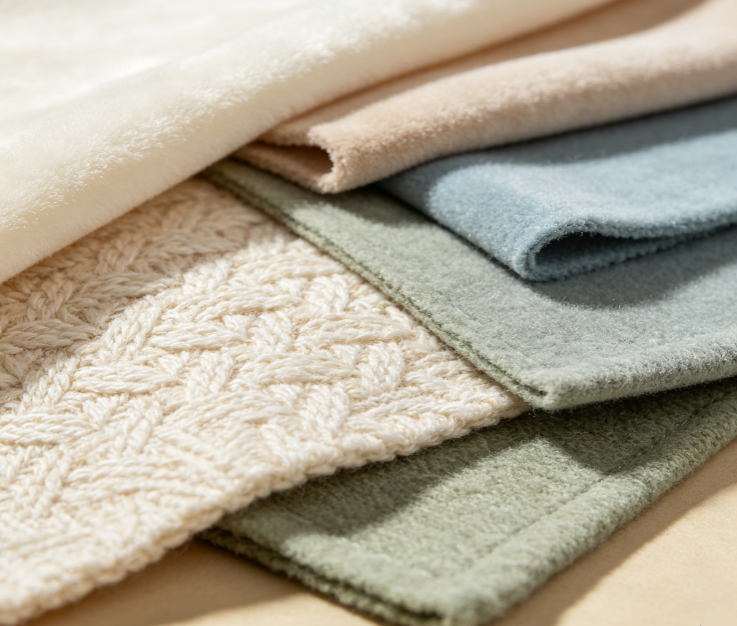
Pet ownership has grown increasingly common across households, with cats being one of the most popular companions — and not all cats take readily to scratch posts. Densely woven, physically scratch-proof custom fabrics address the common issue of snags and fraying on conventional home textiles for pet-owning families.
2. Economic Value Analysis
Customization translates to stronger pricing power and shields businesses from cutthroat price competition in the industry. Success hinges on fully understanding client needs and delivering practical solutions for real-world usage scenarios.
-
Profit Margin Premium: Custom fabrics that solve actual pain points and combine aesthetic appeal with specialized functions boast higher profit margins than
-
standard products, while also facilitating smoother market entry.
-
Inventory Optimization for DTC Brands: Made-to-order production and agile small-batch manufacturing greatly improve inventory turnover rates.
-
Extended Customer Lifetime Value: In 2026, consumers value the stories behind home products. Custom fabrics help strengthen brand loyalty and encourage repeat purchases.
3. Categories of Manufacturers
Manufacturers fall into four main groups based on production scale, technical capabilities and business models:
| Manufacturer Type | Core Strengths | Ideal Clients |
| Vertically Integrated Large Enterprises | End-to-end operations covering fiber development, weaving and dyeing; exceptional cost control | Hotel chains, major retailers (e.g., IKEA suppliers) |
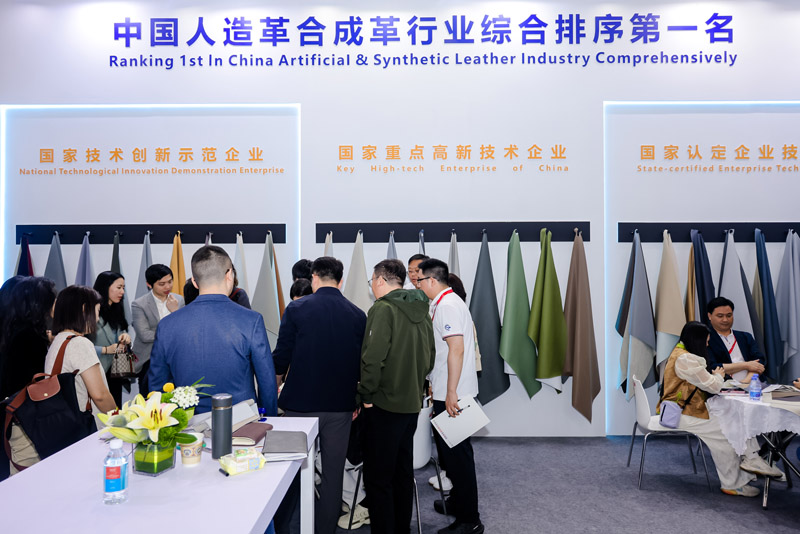
| Agile & Flexible Factories | Expertise in digital printing and single-piece cutting; accept orders starting from one yard, with delivery within 24 to 48 hours | Independent designers, individual sellers on Amazon, Etsy and Shopify |
| Specialty Functional Fabric Workshops | Focus on advanced functional treatments including nano stain, water and oil repellency, radiation shielding and phase-change temperature regulation materials | Tech-focused home brands, industrial procurement for specialized projects |
| Premium Artisanal Manufacturers | Specialize in elaborate embroidery, intricate jacquard weaving and hand dyeing, with strong artistic characteristics | Luxury home brands, custom projects for high-end private residences |
2026 Industry Outlook: Technology Integration
Fueled by advances in AI, the home textile customization sector is transitioning from template-based production to algorithm-driven design.
“Home textile brands will split into two camps in the future: those that own proprietary fabric algorithms, and those that merely act as resellers. Brands with upstream customization capabilities gain material dominance and secure price premiums amid the saturated market of 2026.”
— Martin Auerbach, Renowned Textile Technology Analyst
Top manufacturers have adopted AI-powered pattern design and AR virtual showrooms. Customers can now preview how fabrics drape and interact with light in their own spaces before placing orders.
As highlighted in the Heimtextil 2026 Trend Report released by Messe Frankfurt:
“AI is reshaping the entire textile value chain, from conceptual design to material visualization. Powered by AI algorithms, weaving structures can automatically adjust tensile performance in response to environmental stress.”
References
1. Fortune Business Insights. (2025). Home Textile Market Size, Share & COVID-19 Impact Analysis, By Product (Bedroom Linen, Bathroom Linen, Carpets and Rugs, Curtains and Drapes, Kitchen and Dining Linen), By Distribution Channel (Mass Merchandisers, Specialty Stores, Online, and Others), and Regional Forecast, 2025-2032.
2.Grand View Research. (2025). Digital Textile Printing Market Size, Share & Trends Analysis Report By Printing Method (Direct-to-Garment, Direct-to-Fabric), By Ink Type (Sublimation, Pigment, Reactive), By End-use (Clothing/Apparel, Home Textiles, Soft Signage), By Region, and Segment Forecasts, 2025 - 2030.
3.Messe Frankfurt Exhibition GmbH. (2025). Heimtextil Trend Report 2026/2027: Connected Textiles and Collaborative AI. Messe Frankfurt.
4.Textile Outlook International. (2025). Global Trends in Home Textiles and Flexible Manufacturing Networks. Cotton Outlook / Textiles Intelligence, (No. 228).
5.Auerbach, M. (2025). The Algorithmic Loom: Smart Supply Chains and the Premiumization of Custom Upholstery. European Textile Journal, 42(2), 88-95.
6. Corporate Innovation & Digital Customization
Welspun Living Limited. (2025). Annual Strategy Update 2025: Investing in AI-Driven Virtual Showrooms and Near-Shoring Capabilities for Global Hospitality Buyers. Mumbai: Welspun Press.7.International Textile Manufacturers Federation (ITMF). (2025). ITMF Global Textile Industry Survey (GTIS): Digital Transformation and Real-Time Fabric B2B Interfaces. Zurich, Switzerland.
8. Functional Fabrics, Medical, & Hospitality Application Standards
MarketsandMarkets. (2025). Antimicrobial Plastics and Textiles Market by Type (Inorganic, Organic), Application (Medical & Healthcare, Packaging, Consumer Goods, Automotive, Building & Construction), Region - Global Forecast to 2030.9.Association for the Advancement of Medical Instrumentation (AAMI). (2025). AAMI PB70:2025 - Liquid barrier performance and classification of protective apparel and drapes intended for use in health care facilities. Arlingon, VA.
10.American Pet Products Association (APPA). (2025). National Pet Owners Survey 2025-2026: Material Demands in the Modern Household. Stamford, CT.