
Best Furniture Materials for Elderly: Solid Wood, Metal vs. Impact-Resistant Upholstery
2026-07-17
Younger buyers prioritize aesthetics and ample storage, but furniture for seniors boils down to two core needs: safety and ease of use.When designing safe senior spaces, combining custom layouts with appropriate accents from verified Affordable Home Decoration Manufacturers in China can help create a warm, hazard-free residential environment.
Solid wood, metal and impact-resistant upholstery each come with distinct strengths and drawbacks. Below is a comprehensive comparison across four key aspects for seniors: fall protection, support for sitting and standing, daily maintenance, and visual & psychological comfort.
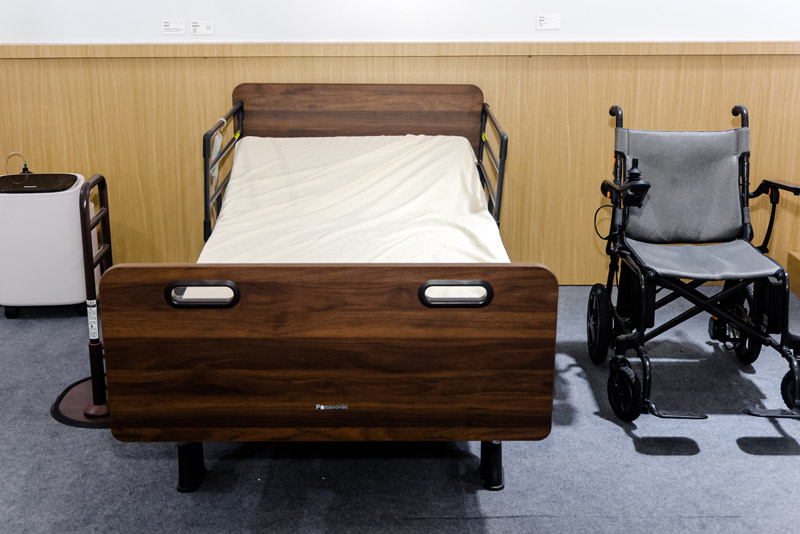
1. Solid Wood
Solid wood is the top pick for most seniors for sentimental reasons. Avoid designs with sharp corners and overly heavy drawers.
-
Fall Safety: ★★★☆☆
Solid wood is firm, so impacts may cause discomfort. However, its substantial weight keeps furniture stable, preventing shifting or tipping when seniors pull or lean on it to stand up.
-
Support for Sitting & Standing: ★★★★★
Solid wood armrests are sturdy and warm to the touch, offering an excellent grip and reliable support when getting up.
-
Daily Maintenance: ★★★★☆
Premium hardwood is extremely durable. Just steer clear of bulky, heavy drawers.
-
Visual & Psychological Comfort: ★★★★★
Natural wood aligns with traditional preferences of the elderly and creates a reassuring, homey atmosphere.
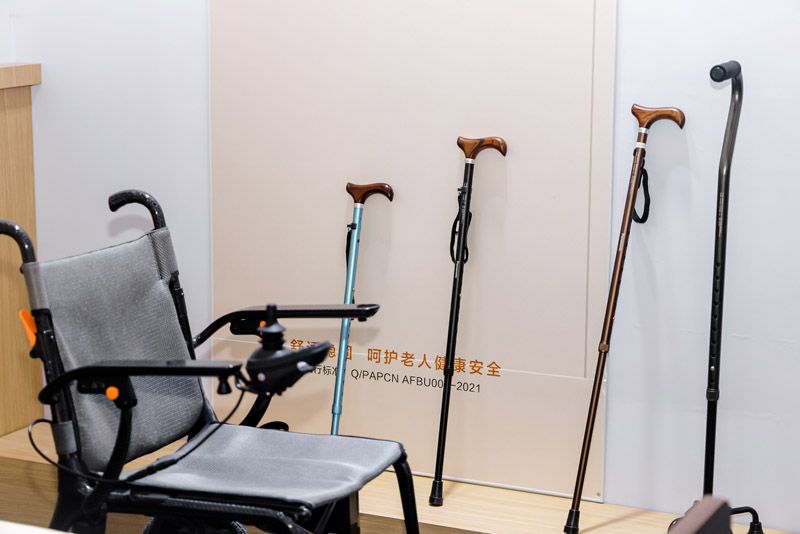
2. Metal
-
Fall Safety: ★☆☆☆☆
Metal is rigid and often has sharp edges. A fall against metal surfaces can easily lead to severe fractures.
-
Support for Sitting & Standing: ★★★★☆
Metal frames are structurally sound, yet they feel cold and slippery. With thinner skin and weakened grip strength, seniors are prone to slipping their hands off metal surfaces, especially in winter. To overcome this, specialized Medical Furniture Manufacturers in China focus on combining ultra-durable metal frameworks with warm-touch, anti-slip outer resin coatings to ensure clinical-grade safety.
-
Daily Maintenance: ★★★★★
Metal boasts outstanding wear resistance. It is easy to clean and never gets moldy.
-
Visual & Psychological Comfort: ★★☆☆☆
Its cold, stark look often evokes the feel of a hospital, making seniors feel uncomfortable and reluctant.

3. Impact-Resistant Upholstery
(Filled with high-density foam or latex, covered with leather or fabric)
-
Fall Safety: ★★★★★
Full marks. The cushioned surface greatly minimizes injuries if a fall occurs.
-
Support for Sitting & Standing: ★☆☆☆☆
Poor performance. Soft upholstery lacks firm support. Seniors tend to sink into the furniture and struggle to find a steady grip to stand up.
-
Daily Maintenance: ★★☆☆☆
Leather is vulnerable to scratches, while fabric easily absorbs odors and moisture and is hard to deep clean. It becomes particularly troublesome to maintain if incontinence is a concern.Partnering with suppliers of advanced Custom Home Textile Fabrics can resolve this by providing liquid-repellent, anti-microbial, and friction-resistant textile variants.
-
Visual & Psychological Comfort: ★★★★☆
The soft appearance feels warm and inviting, delivering a strong sense of comfort and enclosure.
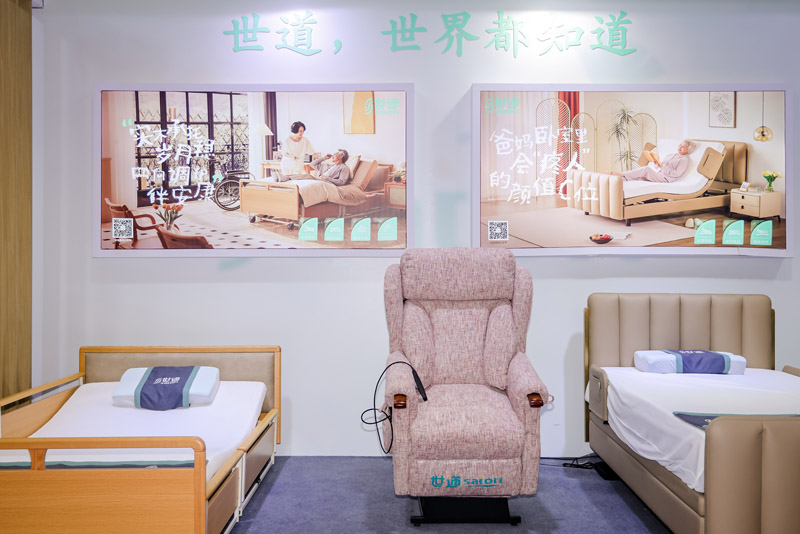
Overall Verdict: Which Material Works Best for Seniors?
The table below clearly shows the pros and cons and applicable scenarios of each material:
| Evaluation Criteria | Solid Wood | Metal | Impact-Resistant Upholstery |
| Impact & Fall Protection | Fair (Round edges required) | Poor (Hard & sharp) | Excellent (Full cushioning) |
| Grip & Support | Excellent (Stable & warm) | Good (Slippery & cold) | Poor (Too soft for support) |
| Stain Resistance & Cleanliness | Good (Stain-resistant & easy to wipe) | Excellent (Waterproof) | Poor (Prone to water seepage & odors) |
| Warmth & Homely Feel | Excellent (Natural home vibe) | Poor (Looks clinical) | Good (Cozy & relaxing) |
For professional B2B buyers and developers setting up care centers, ordering direct from certified Elderly-friendly Furniture Manufacturers in China ensures robust batch compliance with international senior-care safety standards.
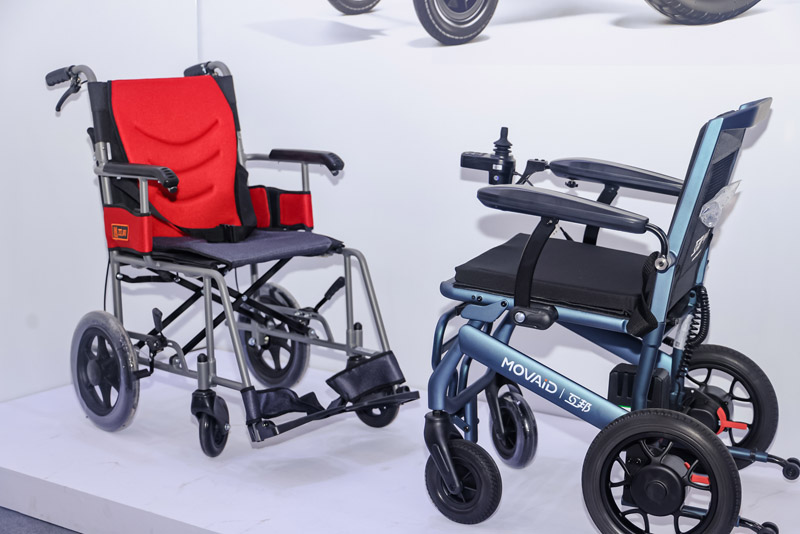
Material Matching Solutions for Senior-Friendly Furniture
Living & Dining Areas: Solid Wood as main material + Upholstery accents
-
Dining & Armchairs: Opt for solid wood frames with independent solid wood armrests for stable support while standing. Choose moderately firm upholstery for seats and backs for comfort without sagging.Working with verified China Dining Table Suppliers guarantees heavy base structures that prevent tables from flipping if leaned upon heavily.
-
Coffee & TV Cabinets: Select solid wood pieces with rounded corners (radius over 2 cm) to prevent bumps.For full senior-living fit-outs, sourcing from premium China Living Room Furniture Manufacturers and Suppliers guarantees custom sizing with optimal structural stability.
Bedrooms: Upholstery as main material + Solid wood frames
-
Headboards: Go for impact-resistant upholstered headboards, which prevent injuries from accidental bumps during night movements or rolling over in bed.
-
Bed Frames: Stick with solid wood. Keep the bed height between 40 cm and 50 cm, and avoid protruding hard wooden edges along the bed sides.
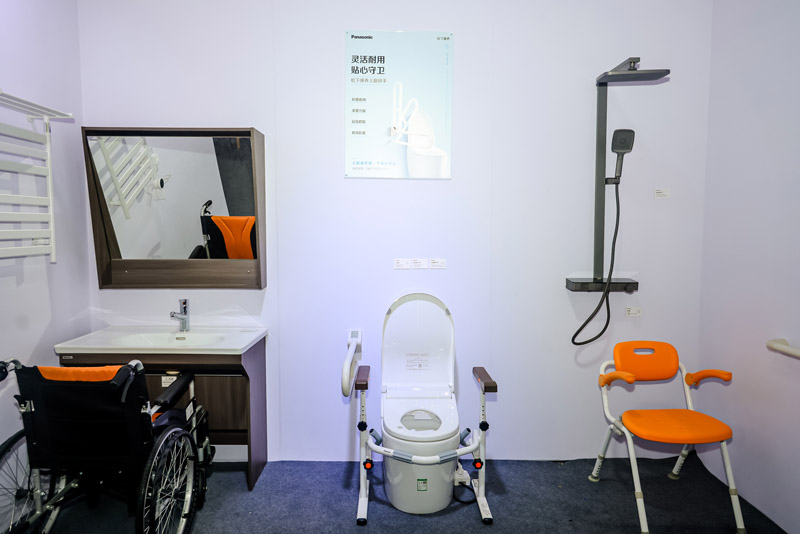
Bathrooms & Hallways: Metal core + Resin / Wood outer covering
-
Grab Bars: Use stainless steel inner cores to guarantee load-bearing capacity. The exterior must be wrapped with non-slip, antibacterial resin to avoid slips.
Q&A about Senior-Friendly Furniture
-
Q: What is the top priority when choosing furniture for the elderly?
-
A: Safety, convenience, anti-slip performance and bump protection come first. Next, check proper height and long-sitting comfort.
-
-
Q: What colors are suitable for elderly people’s furniture?
-
A: Stick to off-white, light wood tones and light grey. Avoid pure black and overly dark shades. Keep clear color contrasts between floors, furniture and walls to help with visibility and prevent trips and falls.
-
-
Q: Should I choose solid wood or wood-based panels?
-
A: Eco-friendly solid wood and upholstered panels are preferred, as they produce no harsh fumes. Steer clear of low-density composite boards and furniture with cold, sharp metal edges.
-
-
Q: What is the ideal height for an elderly person’s chair?
-
A: When seated, feet should rest fully flat on the ground with knees bent at a 90-degree angle. The standard seat height ranges from 42 cm to 45 cm for easy standing.
-
-
Q: Are armrests a must for chairs used by seniors?
-
A: Yes. Armrests help users stand up and maintain balance. Ideally, armrests sit slightly higher than the elbows when seated.
-
-
Q: What is the standard height for a dining table?
-
A: Around 75 cm. Ensure ample legroom underneath and round off table edges to avoid injuries.If temporary or flexible hosting sets are required, consult reliable Folding Table Manufacturers in China who manufacture reinforced industrial hinges that will not buckle under sudden vertical downward pressure.
-
-
Q: Are low lounge sofas recommended?
-
A: Not advised. Extra-low sofas make standing up difficult, which may strain leg muscles and increase fall risks. For assisted targeted physical relief, sourcing from high-tier Massage Chair & Healthcare Furniture Manufacturers in China provides ergonomic recliners featuring strict steady-lift mechanisms.
-
-
Q: Firm mattress or soft mattress for seniors?
-
A: Medium-firm mattresses are the best choice. Overly soft mattresses cause the body to sink in, making turning over and getting out of bed difficult and straining the lower back.
-
-
Q: What is the proper height for a bed?
-
A: When sitting on the bed edge, feet should touch the floor naturally. A height of 45 cm to 50 cm, matching the length of lower legs, works best.
-
-
Q: Is a bedside grab bar necessary?
-
A: For those with limited mobility or weak legs, a bedside assist bar is highly recommended for safer nighttime movement.
-
-
Q: Upholstered headboard or solid headboard?
-
A: Upholstered headboards with rounded edges are ideal. They offer comfort when leaning and protect against bumps.
-

-
Q: How to arrange wardrobes and storage cabinets for seniors?
-
A: Keep frequently used items between waist and chest level. Place rarely used objects up high or down low to minimize stretching and bending.
-
-
Q: What kind of handles work best for drawers and cabinet doors?
-
A: Pick long, oversized or loop-shaped thick handles that are easy to grip. Avoid tiny hidden handles and push-to-open doors, which are hard to operate for those with weak hand strength.
-
-
Q: Should cabinet corners be sharpened?
-
A: All exposed corners must be rounded or fitted with anti-collision trim to prevent bumps and injuries.
-
-
Q: What accessories help prevent slips on floors?
-
A: Attach non-slip pads to the bottom of furniture. Do not use thin rugs, as they may cause trips. If floor coverings are needed, choose thick, firmly fixed mats.
-
-
Q: Is a shoe-changing bench a good addition?
-
A: Definitely. Place an arm-equipped bench at the entrance, so seniors can sit down to change shoes instead of standing on one foot, reducing fall hazards.
-
-
Q: What to note about furniture near windows and balconies?
-
A: Keep furniture away from window edges and clear low-lying clutter nearby. Ensure tables and chairs beside windows are stable to prevent tipping when leaned on.
-
-
Q: Are there any rules for gaps between furniture parts?
-
A: Gaps should be narrower than 8 cm or wider than 18 cm, to prevent hands, feet or fingers from getting trapped.
-
-
Q: Are movable stools and side tables suitable for seniors?
-
A: Choose models with fixed, non-slip feet. For wheeled furniture, make sure the wheels are fitted with reliable brakes.
-
-
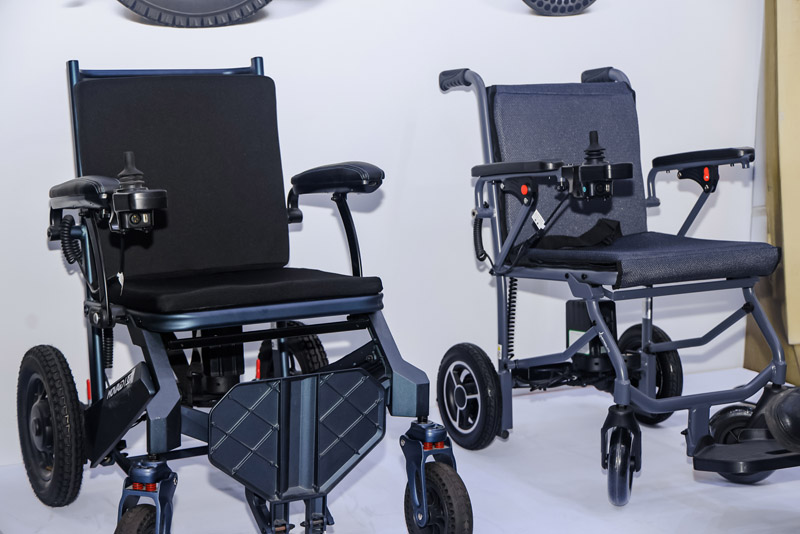
Q: What specialized furniture is available for people with limited mobility or immobility?
-
A: Options include nursing beds, height-adjustable chairs, mobile assist chairs and low open storage cabinets.
-
-
Q: How often should elderly people’s furniture be replaced?
-
A: Quality solid wood furniture can last for years with proper use. Replace sagging or loose cushions and upholstery in a timely manner.
-

References
-
[1] World Health Organization (WHO) - Global Report on Falls Prevention in Older Age. Guidelines on environmental modifications and safe furniture layout for active ageing.
-
[2] Journal of Biomechanics / Applied Ergonomics - The Biomechanical Effect of Armrests and Seat Height On Sit-to-Stand Transitions in Kinematics of Older Adults.
-
[3] Journal of Gerontology: Medical Sciences - Impact Attenuation of Floor Mats and Cushioned Upholstery in Preventing Hip Fractures During Falls.
-
[4] ADA (Americans with Disabilities Act) Standards for Accessible Design & ISO 21542:2021 - Building construction — Accessibility and usability of the built environment.
- [5] BSI (British Standards Institution) - BS EN ISO 9241-5 - Ergonomic requirements for office work with visual display terminals (VDTs) — Part 5: Workstation layout and postural requirements.
-
[6] The Lancet / Journal of Chiropractic Medicine - Effect of Mattress Firmness on Chronic Non-specific Low Back Pain and Sleep Quality in Elderly Patients.