
What Makes the Best Contract Grade Furniture for High-traffic Hotel Lounges?
2026-09-24
In hotel operations, lobbies and lounges are critical spaces that shape guests’ first impressions — and I have seen this firsthand. Having travelled across many countries, from Jeju in South Korea to Hokkaido in Japan, I have often found that thoughtfully designed lobby furniture creates a deeply relaxing atmosphere. It lets travellers leave journey‑weariness behind and settle in effortlessly.
This reveals that hotel furniture for these zones demands deliberate, intentional selection. I once stayed at a seaside Korean hotel boasting stunning ocean views. Its lobby featured flooring made of local volcanic rock paired with expansive tempered‑glass windows. Sitting on sleek, contemporary light‑luxury sectionals, guests could take in sweeping coastal scenery. I returned to this same hotel multiple times for subsequent business trips.
Hotel lobbies, especially those near tourist destinations, endure extremely heavy foot traffic. Hotel furniture here sees constant use by hundreds, even thousands of visitors every single day. By contrast, budget tourist hotels that furnish lobbies with worn‑out sofas and seating risk leaving guests with severely negative perceptions.
How do you strike the ideal balance between heavy‑duty performance and interior aesthetics? Drawing on professional contract‑furniture expertise, this article explores exactly what constitutes premium contract‑grade hotel furniture built for high‑traffic hotel lounges. If you are preparing your next FF&E project, you may also explore Sourcing Request Wall, a handy hub to connect buyers and factory suppliers. Attendees planning ahead can mark their calendars for Office and Commercial Space in CIFF guangzhou 2027, one of Asia’s biggest industry shows for commercial furnishings. Many overseas buyers actively look for Affordable Chinese Commercial Furniture Manufacturers that deliver consistent contract-grade quality.
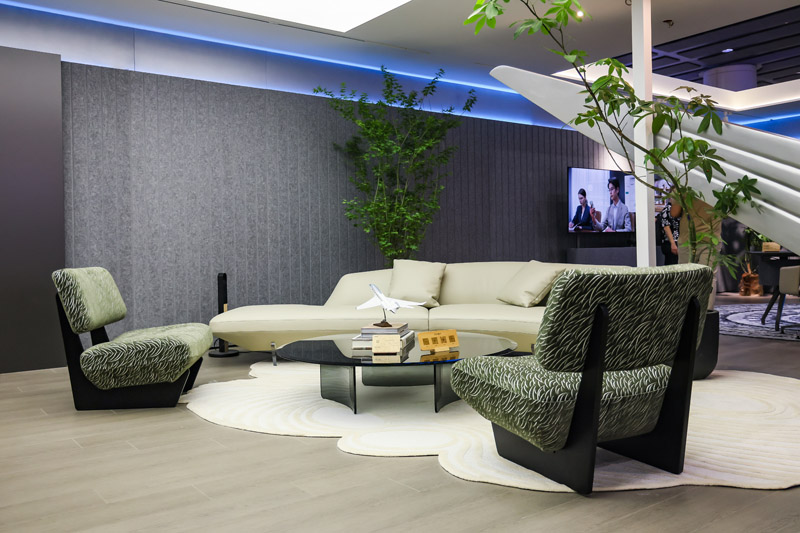
I. What Is Contract‑Grade Furniture?
Contract‑grade furniture (also known as commercial‑grade furniture) refers to robust furnishings engineered and manufactured specifically for commercial, public and institutional environments, subject to stringent certification requirements.
Generally speaking, contract‑grade furniture delivers superior build quality, exceptional load‑bearing capacity and full compliance with international safety standards. While its upfront purchase price is higher than residential alternatives, its extended design service life translates to lower long‑term total cost of ownership. Many hotel projects also face communication hurdles during procurement; read our guide on How to Coordinate Hotel Designers with Overseas FF&E Manufacturers to streamline your cross-border collaboration.
II. Why High‑Traffic Hotel Lounges Require Contract‑Grade Furniture
Hotel lobbies and lounges represent archetypal high‑traffic commercial spaces. Unlike residential settings, furniture in these areas faces extraordinarily demanding operating conditions:
1.Extreme usage frequency
Guests occupy lounge sofas and chairs for check‑in, check‑out, business discussions and waiting for transfers, with furniture operating nearly non‑stop year‑round. During peak seasons such as Christmas, hotels reach full occupancy, and lobbies fill with guests awaiting room access. Ordinary residential furniture would likely fail within mere months under such strain. Furnishings here must far exceed residential quality benchmarks. Brands holding rigorous international certifications are preferred; their heavy‑duty hardware and structural engineering prevent product failures that could cost hotels major client partnerships.Buyers shortlisting suppliers can review our curated list of Top 10 Hotel Furniture Manufacturers to narrow down reliable production partners.
2.Demanding operating conditions
Residential furniture operates within fairly predictable contexts. Hotel‑lobby pieces, however, are frequently dragged and repositioned. They must also support guests of varying body weights, including heavier occupants. That calls for robust construction and generous performance tolerances to minimise breakdown risk. Many international hotel chains now prefer localised comfort; discover Asian User-friendly Hotel Furniture Manufacturers & Brands from China that tailor ergonomics for APAC guest profiles.
3.Frequent cleaning and maintenance cycles
Even with house rules discouraging food consumption in lobbies, accidental liquid spills and regular sanitising are unavoidable. These take a toll on upholstery fabrics and surface coatings. Grease and stains can become permanent if not addressed, sometimes forcing complete furniture replacement.
Residential‑grade furniture may appear cost‑effective at the point of purchase yet tends to develop widespread issues over time: premature breakdown and costly repeat procurement. Furniture failures can also trigger guest disputes. Furthermore, shoddy, aesthetically uninspired lobby furnishings inflict lasting damage to a hotel’s brand identity. Many first-time international buyers wonder How to buy hotel furniture in bulk?; careful factory audits and sample testing are critical before placing large orders.
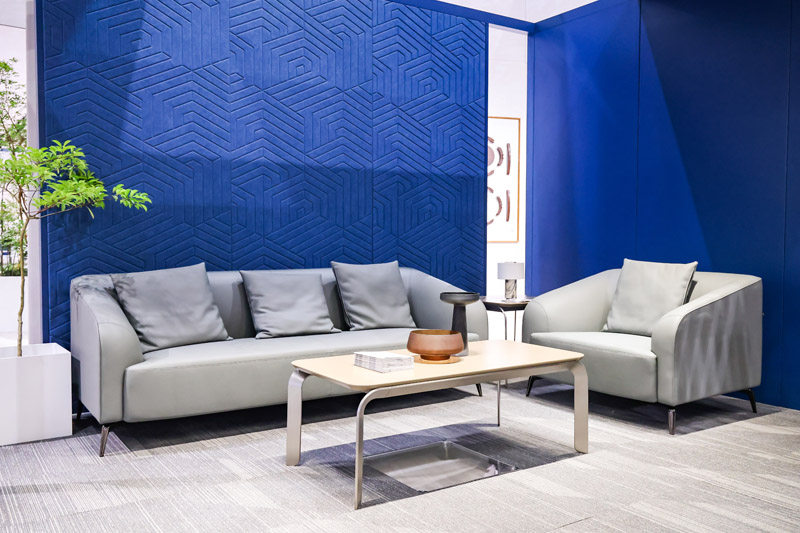
III. Curated Furniture Categories for High‑Traffic Hotel Lounges
Below are core contract‑grade furniture recommendations for hotel lobbies, executive lounges and casual corridors:
1.Modular lobby sofas
Aligned with global hotel‑lobby design trends, modular systems support flexible space planning for large‑footprint lobbies. They accommodate large guest volumes while enabling versatile layout configurations. Operators can reconfigure setups for holidays and special events as needed. Should one individual module become worn or damaged, only that section requires replacement instead of discarding the entire sofa unit.
2.Occasional armchairs & guest seating
A widely adopted specification calls for heavy‑duty metal bases or solid‑wood reinforced legs to deliver rock‑solid stability with minimal wobble. Chairs blending contemporary styling with enveloping ergonomic support greatly elevate guest comfort and satisfaction.
3.Commercial‑grade coffee & side tables
Hotel‑lobby coffee tables commonly use natural marble, high‑performance sintered stone, tempered glass or thickened fire‑retardant laminate. These materials offer outstanding scratch resistance, heat tolerance and impact strength, paired with modern visual appeal.
IV. Long‑Term Commercial Returns of Investing in Premium Contract‑Grade Furniture
From an asset‑management perspective, investing in internationally compliant contract‑grade furniture is a sound long‑term business decision.
Although contract‑grade furniture demands higher upfront capital expenditure than residential furniture, its long design lifespan reduces recurring costs for replacements, repairs and labour‑intensive re‑installation. Lower total lifecycle cost is a well‑established best practice across the hospitality sector.
Additionally, commercial spaces are bound by mandatory fire‑safety requirements. Purpose‑built commercial furniture enhances on‑site safety. Rigorous structural‑integrity and fire‑performance testing lowers the probability of safety‑related incidents and helps hotels mitigate exposure to workplace‑injury claims and legal liabilities[5]. This balance is the focus of our dedicated article: 2026 Hotel Furniture Procurement: How to Balance Fire Safety Standards and Durability?
References
[1] BIFMA. Standards Overview.
[2] BIFMA. ANSI/BIFMA X5.4 Public and Lounge Seating Standard.
[3] BIFMA. Standards Short Descriptions.
[4] BIFMA. BIFMA Compliant Program & ISO 17025 Test Lab Database.
[5] National Fire Protection Association (NFPA). NFPA 101 Life Safety Code.
[6] AHLA (American Hotel & Lodging Association). Safe Stay Hotel Cleaning & Safety Guidelines.
[7] Cornell University School of Hotel Administration. Hospitality FF&E and Guest Experience Research.
[9] BIFMA. ANSI/BIFMA e3-2024 Furniture Sustainability Standard.
[10] California Office of Statewide Health Planning and Development. CAL TB 117-2013 Upholstered Furniture Flammability Standard.
Disclaimer
Industry analysis, technical specifications and standard references (including ANSI/BIFMA requirements) featured in this article serve solely as reference material for commercial procurement, project planning and academic exchange. Building‑fire codes, project briefs and manufacturer production processes differ across jurisdictions. Before finalising bulk‑procurement decisions, readers are advised to request and validate the latest official test reports from accredited third‑party laboratories or authorised brand suppliers.